Allegations and Counterclaims Emerge Over Pipeline Security Performance and Crude Oil Output in the Niger Delta
- by Kalaboy, HSN, River State
- about 21 hours ago
- 195 views
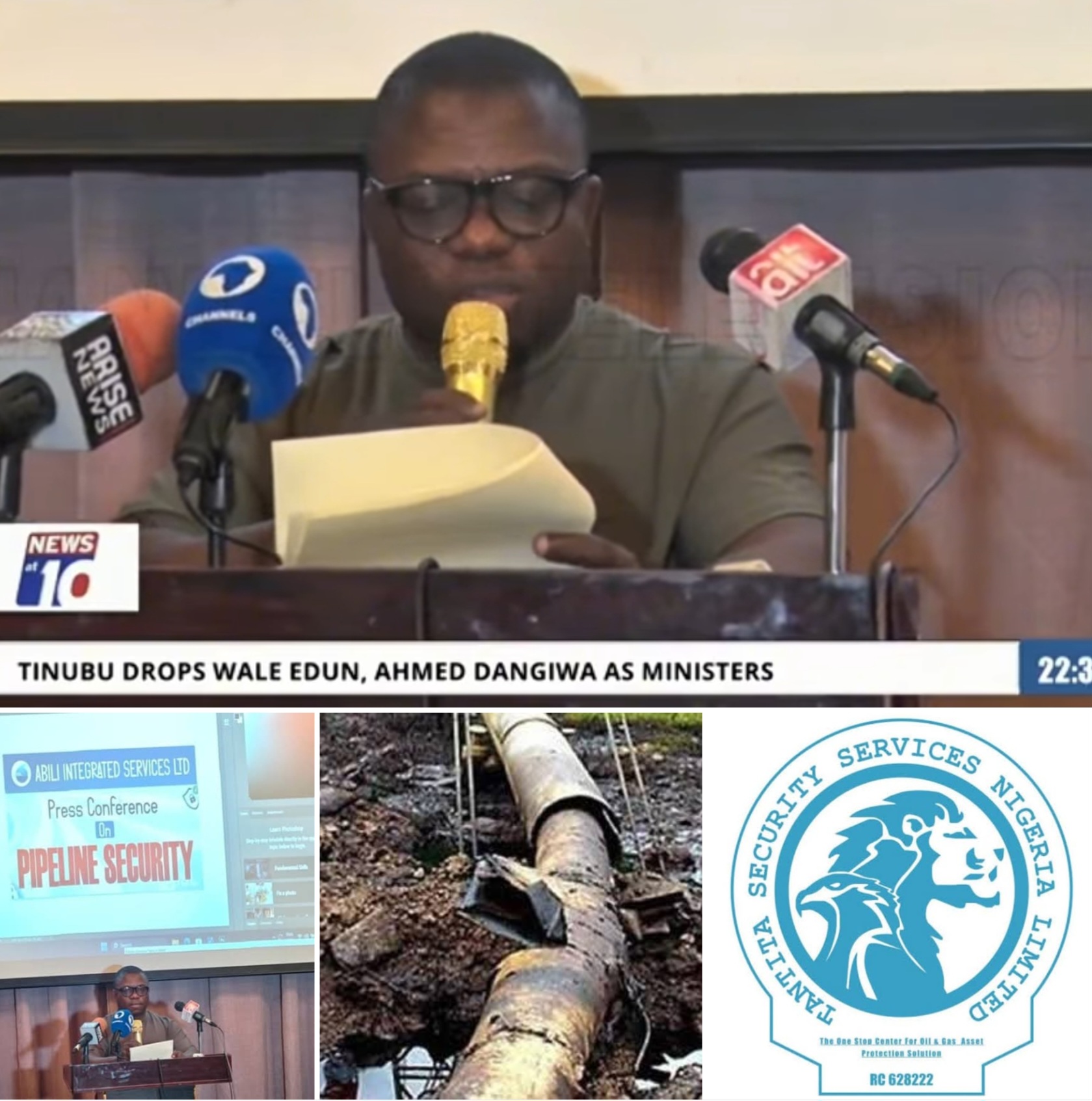
A recent press conference by Abili Integrated Services Limited has brought renewed attention to ongoing disputes over pipeline security operations and crude oil production performance in Nigeria’s oil-producing regions, particularly within parts of the Niger Delta.
The company, which operates security services for oil infrastructure in selected land-based areas across Ahoada West, Ahoada East, Abua/Odual, Ogba/Egbema/Ndoni Local Government Areas of Rivers State, and parts of Bayelsa State, stated that its operational zones have reportedly achieved up to 96 percent of installed oil production capacity. In contrast, it alleged that areas under the supervision of Tantita Security Services and its partners are experiencing output levels below 30 percent.
According to Abili Integrated Services, these figures reflect what it describes as verifiable operational outcomes within its limited coverage areas. The company also clarified that it does not operate across all land areas but only in specific jurisdictions assigned to it.
During the briefing, the Managing Director of Abili Integrated Services, Mr. Brown Edoghotu, addressed claims made during a National Assembly Joint Committee on Petroleum Resources roundtable held on April 8, 2026, where pipeline security operations were discussed. He stated that his company was publicly implicated in alleged sabotage activities and that its integrity was challenged during presentations attributed to officials linked to Tantita Security Services.
He specifically rejected allegations suggesting that Abili Integrated Services personnel were involved in pipeline vandalism, stating that a video presented at the National Assembly—used to support such claims—featured him at a site visit conducted after a reported sabotage incident in September 2022. He explained that his presence at the location was part of official operational response duties aimed at assessing and addressing damage to oil infrastructure.
The company further alleged that individuals identified in connection with pipeline vandalism activities in its operational areas were linked to workers associated with rival surveillance operations. It claimed that some suspects were apprehended and handed over to law enforcement authorities, while others remain at large. These claims, however, were presented as allegations and have not been independently verified in the public domain.
Abili Integrated Services also raised concerns over what it described as coordinated misinformation and misrepresentation within the pipeline surveillance sector. It alleged that certain operational actors stage incidents of vandalism and subsequently position themselves as primary responders to the same incidents for contractual advantage. The company argued that such practices, if true, undermine national efforts to curb oil theft and stabilize production.
In response to technical claims made during the same National Assembly session, Abili Integrated Services disputed assertions regarding the scale of crude oil storage capacity described in presentations attributed to other operators. It challenged the accuracy of comparisons made between crude storage structures and Olympic-sized swimming pools, describing the figures as technically inconsistent with known engineering standards and calling for independent verification involving credible industry stakeholders and media representatives.
The company further stated that it had previously requested a formal retraction of what it described as misleading content but did not receive a response within the timeframe it set, prompting its decision to publicly address the matter.
Abili Integrated Services emphasized that its position is not opposed to contract renewal processes or industry participation by other security contractors. Instead, it stated its concern lies in what it describes as the use of false narratives, misrepresentation, and reputational attacks within a sensitive sector tied to national revenue.
The company also raised broader questions about the effectiveness of pipeline surveillance in swamp and offshore corridors, asking why reports of vandalism and production losses persist in certain monitored areas despite ongoing security contracts. It contrasted this with its own reported operational zones, where it claims production efficiency remains significantly higher, though it acknowledged its coverage is limited to specific land-based areas.
The dispute highlights continuing tensions within Nigeria’s oil infrastructure protection framework, particularly around accountability, performance measurement, and the allocation of surveillance responsibilities in the Niger Delta region.









0 Comment(s)