Chief. Wariyai Urges FG to Decentralize Niger Delta Pipeline Surveillance Contracts
- by Elaye, Bayelsa, HSN
- about 4 hours ago
- 42 views

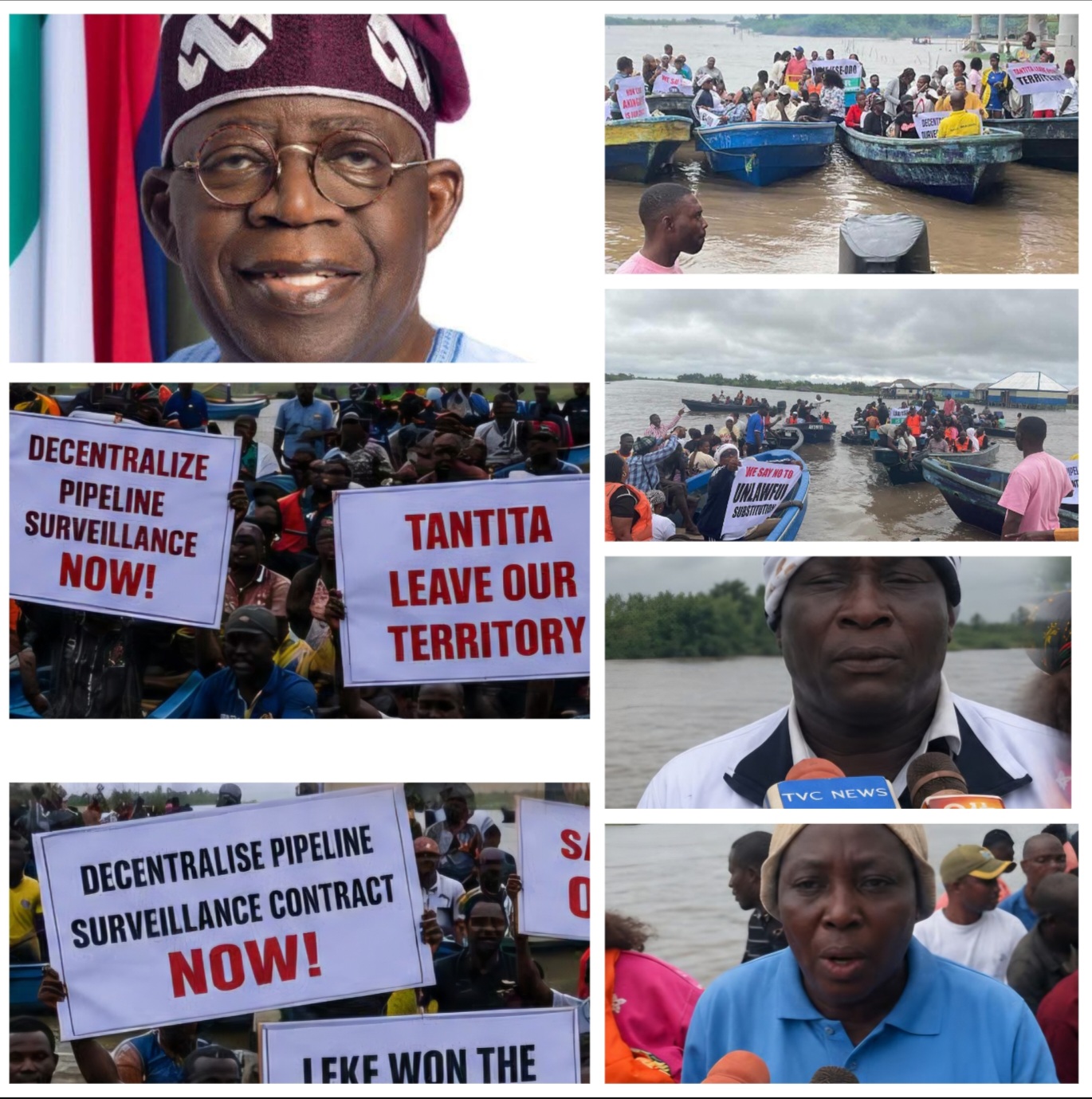
Prominent Niger Delta stakeholder, Chief. Pius Wariyai, has called on the Federal Government to urgently review the current pipeline surveillance contract structure in the Niger Delta, warning that the concentration of such responsibilities under a single operator could pose risks to regional stability and national security.
Speaking on the issue from Bayelsa State, Wariyai argued that the existing arrangement has generated widespread concern among stakeholders, who believe the centralization of pipeline surveillance contracts undermines inclusiveness and marginalizes capable leaders across the region.
According to him, the struggle for the emancipation of the Niger Delta was built on collective efforts by leaders from different states, each defending their respective territories while pursuing a common objective. He maintained that no single individual or group should dominate security operations across the entire region.
"The history of the Niger Delta struggle reflects collaboration among leaders from various states, each taking responsibility for their own territories. That structure should be respected rather than replaced by a centralized model," Wariyai said.
He recalled that during the height of the Niger Delta agitation, several commanders coordinated operations within their respective states, contributing to the movement that eventually led to the establishment of the Presidential Amnesty Programme.
Wariyai noted that those coordinated efforts across Bayelsa, Delta, Rivers and other Niger Delta states played significant roles in making the Federal Government to engage with regional stakeholders, resulting in the implementation of the amnesty initiative that has benefited thousands of youths.
Questioning the current contract arrangement, he said the Federal Government should reconsider policies that allow one operator to oversee surveillance activities across multiple states, insisting that every host state has experienced leaders capable of protecting critical national assets within their own jurisdictions.
He further warned that concentrating such strategic responsibilities in one structure could create unnecessary tension in the region and weaken the sense of ownership required for effective pipeline protection.
Wariyai therefore appealed to President Bola Ahmed Tinubu and the Federal Government to decentralize pipeline surveillance contracts by engaging qualified leaders and stakeholders from each Niger Delta state.
According to him, a decentralized approach would promote accountability, transparency, fairness and inclusiveness while strengthening the protection of oil and gas infrastructure through greater community participation.
He added that many traditional leaders, community stakeholders and youth representatives across the Niger Delta have continued to advocate for a state-based distribution of surveillance contracts, stressing that addressing their concerns would foster unity, improve security and reinforce public confidence in the government's commitment to equitable development in the region.











0 Comment(s)