Why are The Governments of Bayelsa and Delta States Silent While People are kidnapped in Bayelsa and Taken Across State Lines?
- by Elaye, Bayelsa, HSN
- about an hour ago
- 278 views

There is an old saying that goes, "Whom the gods wish to destroy, they first make mad." It reminds us that before people fall, they often lose the ability to think clearly.
When pride takes over, people stop listening to good advice. They begin to believe no one can stop them, and they make careless decisions. In the end, they bring problems upon themselves because they mistake temporary power for lasting victory.
The biggest danger to anyone with power is usually not an enemy from outside, but losing good judgment, self-control, and a sense of right and wrong.
Many of us believed that after several public reports exposed the actions of Mr. Government Ekpemupolo, popularly known as Tompolo, and his gang, he would change his ways and do better and clean up his mess.
Instead, it has become clear that the impunity surrounding Tompolo and his gang have continued. They keep on carrying actions that have brought fear to people in the Niger Delta, while expecting the public to remain silent.
Whenever these evil activities are made public, they quickly recruit struggling young people on social media to defend them, push different stories, and try to justify their actions.
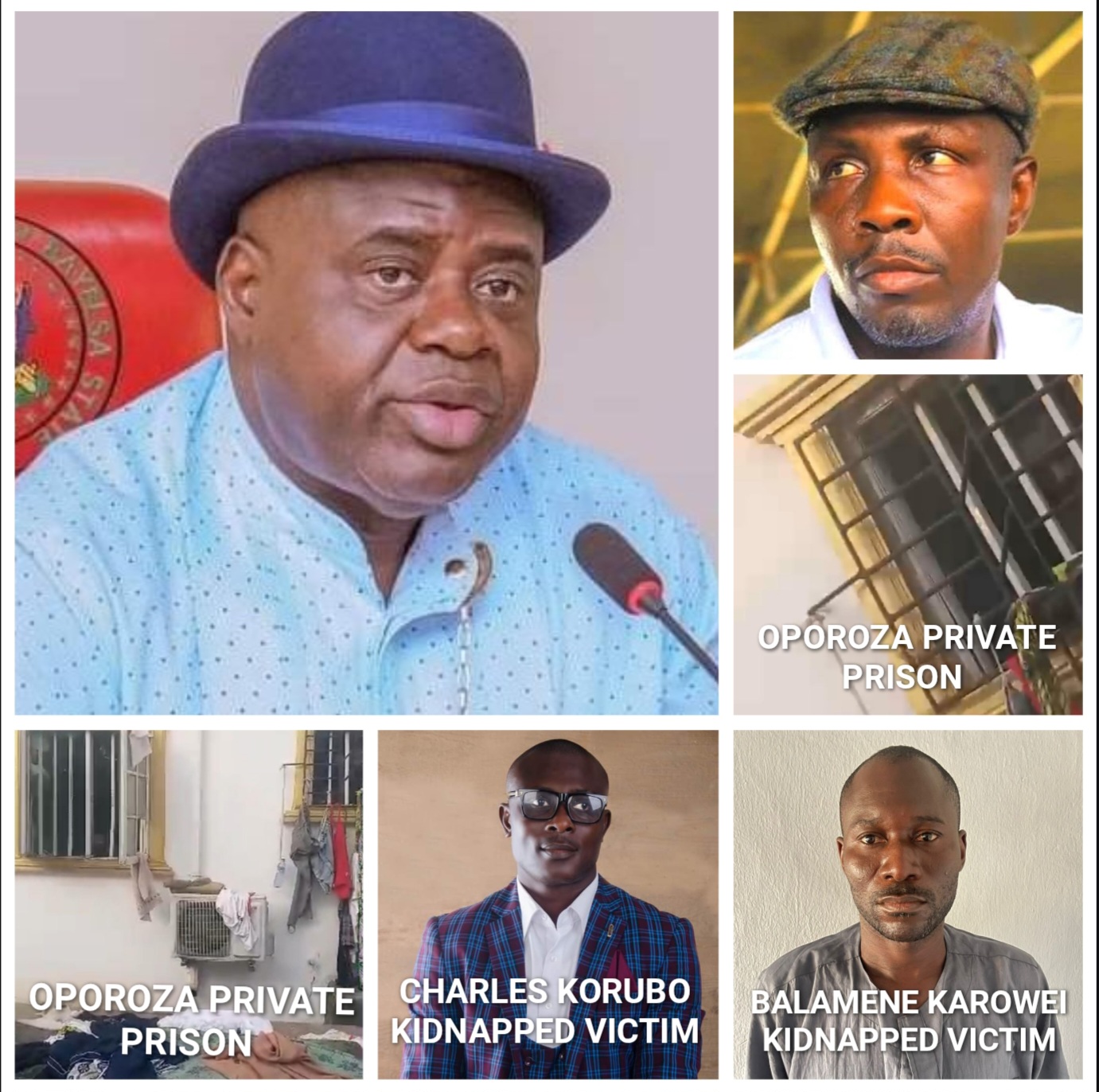
These abuses have affected many ethnic groups across the region. It started with reports about the first group of Itsekiri victims who were kidnapped and kept for more than two months in what was described as Tompolo's private detention facilities.
Later, many other victims from the Ijaw and Urhobo communities also came forward. Some of them took legal action against Tompolo over claims of serious human rights abuses and kidnapping.
Many people expected that facing court cases and strong public criticism would make him become more careful, change his behavior, and focus on resolving the legal matters against him.
Instead, these unlawful actions became worse. Shortly afterward, an Ijaw man popularly known as Mr. Soft was invited to Oporoza and was allegedly kept in a private detention facility for nine difficult days.
Not long after that, Tunde Samson was reportedly taken from his home in the middle of the night to an unknown location. He was later released after widespread public criticism on different media platforms, but he was warned not to speak about what happened to him.
While we continue to advocate these crimes and calling on security agencies to carry out their constitutional duties, another disturbing incident occurred.
According to the reports, three Itsekiri youths from the Ijaghala community were abducted and seriously tortured, leaving them with severe injuries. They were also warned not to speak about their experience.
These repeated crimes carried out by Tompolo raise serious questions about whether those in authority are doing enough.
Why have the governments of Bayelsa and Delta States remained silent while people are kidnapped in Bayelsa and taken across state lines into what has been described as a private detention facility in Oporoza Town, Gbaramatu Kingdom, Delta State?
Is there something the public is not being told, or have the state leaders simply accepted what is happening as both states continue to face growing insecurity?
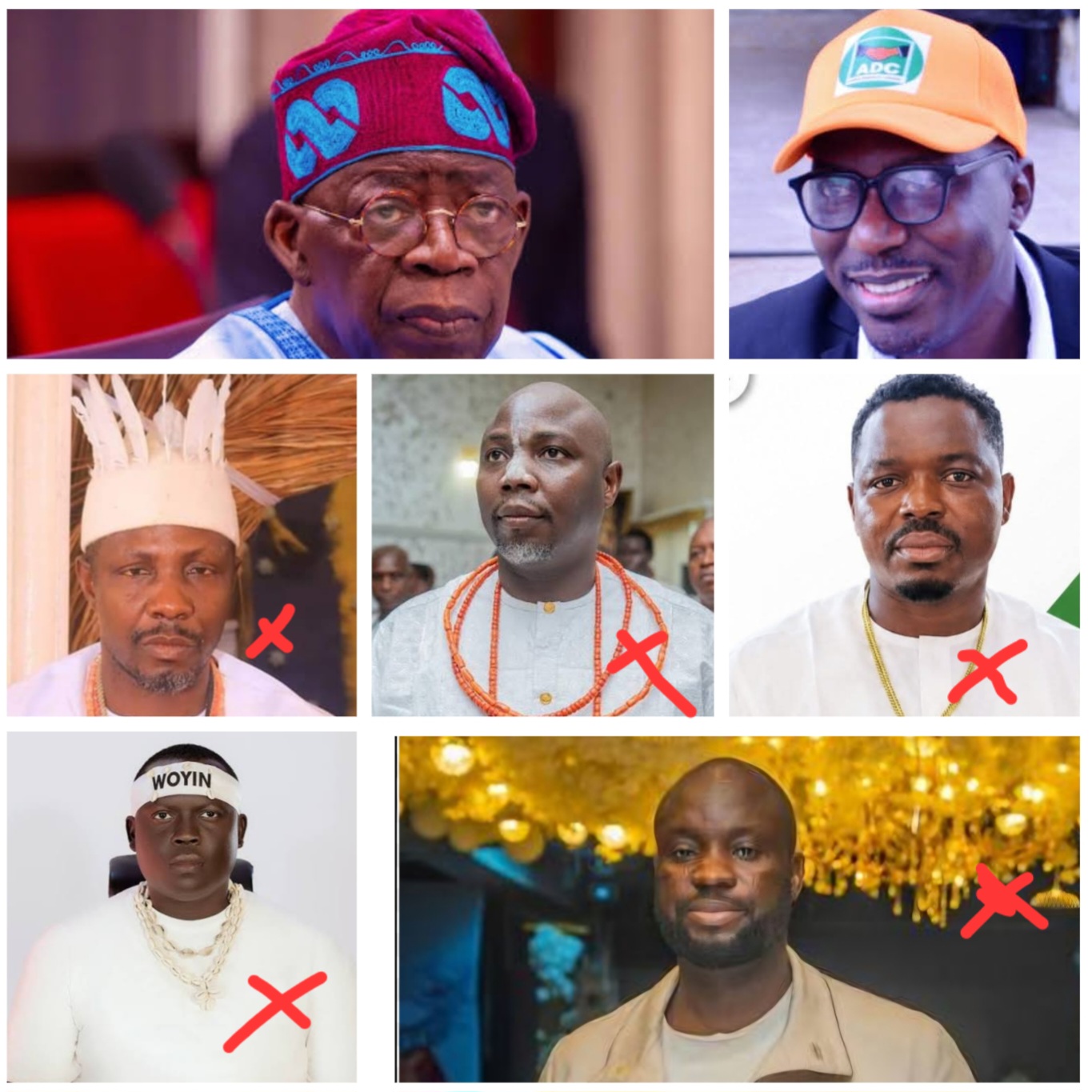
There are also serious questions for the Federal Government. Why would the government give sensitive security responsibilities and multi-billion-naira contracts to someone whose past has remained the subject of significant public controversy?
The Federal Government should carefully review the Presidential Amnesty granted to Tompolo if there is evidence that its conditions or agreement have been violated. Any wrongdoing should be properly investigated through lawful processes.
In addition, the Federal Government should strip Tompolo and his security company, Tantita Security Services, of every government contract they are involved in, because the funds from these contracts have been used to support illegal detention, violence, and other criminal activities.
To prevent any single armed group from controlling host communities and intimidating local people, the Federal Government should consider spreading pipeline surveillance contracts across the Niger Delta so that host communities and state-based stakeholders can take part in protecting their own areas.
To our Itsekiri brothers and sisters, it is important to remember that Tompolo does not represent all Ijaw people.
His actions have affected people from different ethnic groups, including the Ijaw community itself. We also express sincere sympathy to everyone who has suffered because of these actions.
Please do not respond with violence. Instead, continue to seek justice through the courts for the Ijaghala youths and every other person who believes they have been harmed.
Through determined legal action and the efforts of advocates and affected communities, those responsible for any proven crimes should be held accountable under the law.
Engr. Jude Gbaboyor









0 Comment(s)