Tunisia’s Fuel Strike Exposes Deeper Fault Lines as Economic Pressure and Public Anger Mount
- by Salam, Tunisia, HSN
- about 11 hours ago
- 68 views
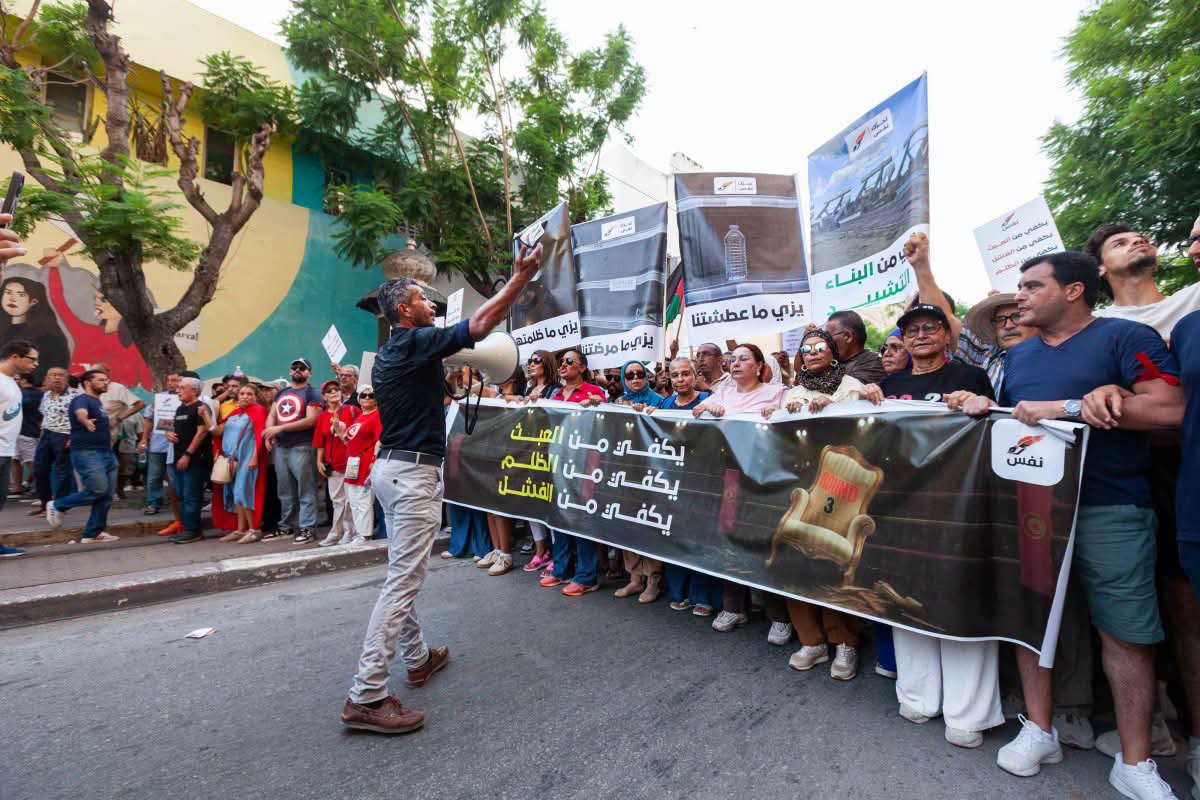
Tunisia’s latest fuel transport strike has brought the country’s mounting economic pressures into sharp focus, with a two-day stoppage disrupting fuel distribution while exposing a wider dispute over wages, social protections, public services and the direction of the country’s economy.
Fuel transport workers affiliated with the Tunisian General Labour Union (UGTT) went on strike on September 23 and 24, demanding improved working conditions, payment of allowances linked to a 2019 agreement, and the settlement of outstanding social-security obligations. The action raised fears of broader shortages because Tunisia relies heavily on road transport to move fuel from distribution facilities to petrol stations.
The immediate impact was visible at petrol stations, where motorists rushed to fill their vehicles ahead of the stoppage. Earlier disruptions in August had already produced long queues around Tunis and surrounding areas, demonstrating how quickly a dispute in the fuel-transport sector can spill over into everyday economic activity.
The latest strike is rooted in a dispute that has lingered for years. The workers’ union has repeatedly demanded implementation of the May 2019 agreement, including benefits and social protections. Union officials have also argued that employers have not fully met their obligations, despite measures intended by the government to provide companies with additional financial room to address workers’ demands.
Employers’ representatives, however, have disputed the union’s position. They have said that previously agreed wage increases are being applied and questioned the legality of the strike, while maintaining that dialogue remains possible.
The confrontation comes as many Tunisians are already dealing with rising living costs and pressure on household purchasing power. Recent reporting has highlighted recurring electricity and water disruptions, shortages of some medicines and basic goods, and continuing concerns over employment and prices. These problems have contributed to renewed demonstrations and expressions of frustration in different parts of the country.
Economists cited by Al Jazeera have linked the current difficulties to a combination of domestic financial pressures and external shocks, including fluctuations in global energy prices and Tunisia’s struggle to secure foreign currency. Higher energy costs can increase the country’s import bill, while disruptions to fuel transport can raise expenses for businesses, logistics operators and consumers.
The economic dispute is unfolding against a tense political backdrop. President Kais Saied has governed with significantly expanded executive powers since 2021, after suspending parliament and dismissing the government. Supporters have described those moves as an attempt to overcome years of political paralysis, while opponents have argued that they have weakened institutional checks and narrowed political space.
That political disagreement increasingly overlaps with economic frustration. For many Tunisians, debates over political institutions are inseparable from practical concerns about salaries, employment, prices, electricity, water, healthcare supplies and access to basic services. The fuel dispute therefore represents more than a disagreement between transport workers and employers: it has become another visible pressure point in a country struggling to balance social demands with limited financial resources.
The government has also faced difficult choices over economic reforms and external financing. Analysts cited in recent coverage disagree over how responsibility for Tunisia’s economic difficulties should be distributed, with some pointing to problems that accumulated over successive governments and others placing greater responsibility on the current administration and its economic and political decisions.
For now, the fuel strike has ended, but the underlying disputes remain. The central question is whether the government, unions and employers can revive meaningful negotiations and implement long-delayed agreements before another stoppage threatens fuel supplies and further strains an already pressured economy.
Tunisia’s fuel queues may disappear, but the grievances behind them are harder to resolve. The dispute has provided a stark reminder that when wages, public services, inflation and political trust deteriorate at the same time, even a two-day transport strike can become a much larger national warning sign.
#Tunisia #TunisiaNews #FuelStrike #TunisiaEconomy #EconomicCrisis #FuelShortage #UGTT #KaisSaied #NorthAfrica #PoliticalCrisis #Inflation #CostOfLiving #FuelPrices #AfricaNews #BreakingNews #HighServiceNews #highservicenews.com






0 Comment(s)