“Flat Tummy At What Cost?” — Bayelsa Monarch’s Reported Death After Liposuction Sparks Nationwide Outrage, Reopens Debate Over Cosmetic Surgery Risks, Beauty Obsession And Medical Accountability
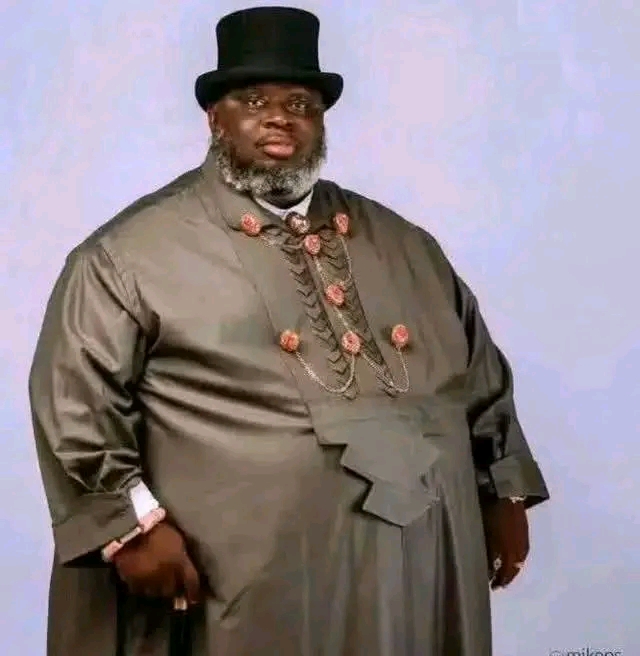
The 64-year-old Amadabo of Moko-Ama was a prominent traditional ruler in Akassa Kingdom who served as Chairman of the Akassa Clan Council of Chiefs and the Central Zone of the Ijaw National Congress.
The Niger Delta has been thrown into mourning following reports of the death of His Royal Highness Moses Theophilus Kenibara VII, the Amadabo of Moko-Ama in Akassa Kingdom, Bayelsa State, reportedly after complications from a liposuction procedure.
The late monarch, aged 64, was the traditional ruler of Moko-Ama in Sangana, Brass Local Government Area of Bayelsa State.
According to reports attributed to TheNewsGuru, tributes to the late royal father began circulating on social media around October 8 and 9, 2026, with mourners remembering him for his contributions to peace, unity and development in the Niger Delta.
However, details surrounding the reported medical procedure, the circumstances of the monarch's death and any official confirmation from his family or palace authorities remain unclear in the information available for this report.
A Traditional Ruler With Leadership Responsibilities
Beyond his responsibilities as the Amadabo of Moko-Ama, Kenibara VII occupied prominent positions within the traditional and socio-cultural leadership structures of the Ijaw people.
He served as Chairman of the Akassa Clan Council of Chiefs and Chairman of the Central Zone of the Ijaw National Congress (INC), roles that placed him within important platforms for traditional leadership and engagement on issues affecting the Ijaw people.
The monarch was reportedly crowned Amadabo of Moko-Ama in 2016, a position he regarded as a divine calling.
He subsequently became Chairman of the Akassa Clan Council of Chiefs, succeeding Chief Newton Igbani-Okuru.
His reported death has prompted renewed discussions about his legacy, the responsibilities of traditional rulers and the importance of preserving the lives and contributions of community leaders.
What Is Liposuction, And Why Do People Undergo It?
The reported circumstances surrounding the monarch's death have also sparked conversations on social media about liposuction, a surgical procedure that removes fat deposits from specific areas of the body through suction.
Liposuction is commonly associated with body contouring, but it may also be considered in particular medical circumstances. It is not, however, a substitute for a healthy lifestyle or a guaranteed treatment for obesity-related health conditions.
Like other surgical procedures, liposuction carries risks, including bleeding, infection, reactions to anaesthesia, fluid-related complications and, in rare cases, life-threatening outcomes.
The level of risk can depend on factors such as a patient's underlying health, the extent of the procedure, the type of anaesthesia used and the medical team's experience.
A patient's suitability for surgery should be assessed by qualified medical professionals, with appropriate screening and postoperative monitoring.
Although some social media users have argued that exercise, walking and dietary changes may help people achieve their desired body shape without surgery, medical experts generally assess the most appropriate approach according to an individual's health needs.
Exercise and balanced nutrition can support weight management and cardiovascular health, but they are not direct substitutes for every procedure that may be medically indicated.
Social Media Reactions: Between Sympathy And Criticism
The reported death has also generated mixed reactions online, with some people expressing sympathy for the late monarch and his family, while others have questioned the decision to undergo a surgical procedure they believe could have been avoided.
Some commentators have urged Nigerians to prioritise regular physical activity, balanced diets and healthier lifestyles, arguing that gradual changes may help people manage their weight without undergoing invasive procedures.
Others have cautioned against mocking the deceased or drawing conclusions about his medical decisions without knowing his personal circumstances.
The debate has highlighted a broader concern about the pressure to achieve particular body shapes, the growing popularity of cosmetic procedures and the importance of understanding the risks associated with surgery.
Medical decisions are personal, and it would be inappropriate to assume that the monarch underwent the procedure solely for cosmetic reasons without reliable evidence.
Questions Remain About The Circumstances Of His Death
While the reports have linked the monarch's death to complications following liposuction, the precise cause of death has not been independently established in the information provided.
Confirmation from the monarch's family, palace authorities or relevant medical authorities would help clarify the circumstances and establish whether the reported procedure was directly responsible for his death.
Until further details emerge, caution is necessary in treating social media claims about the medical procedure as a definitive account of what happened.
A Community Mourns
For the people of Moko-Ama, Akassa Kingdom and the wider Ijaw community, the reported passing of Kenibara VII represents the loss of a traditional ruler who held important leadership responsibilities.
As tributes continue to circulate, attention is likely to remain on his years of service, his contributions to traditional institutions and the circumstances surrounding his reported death.
May his family, community and the people of Akassa Kingdom find the strength to bear this reported loss.






0 Comment(s)