Peter Obi Promises To Visit All 36 States Every Year — Nigerians Demand: What Will Change?
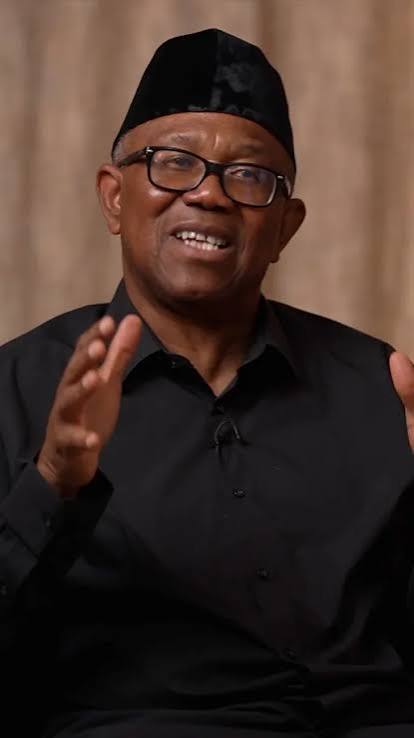
Former Anambra State Governor and Nigeria Democratic Congress (NDC) presidential candidate, Peter Obi, has pledged to visit all 36 states of Nigeria every year and hold regular town hall meetings with citizens if elected president.
Obi also promised to spend his holidays across the country's six geopolitical zones as part of efforts to promote national unity, ensure balanced development and make the presidency more accessible to Nigerians.
The former Labour Party presidential candidate made the commitments on Sunday during a TikTok livestream monitored by SaharaReporters, where he discussed national unity, regional development and his proposed approach to governance.
Obi said his administration would work towards ensuring that every region of the country experienced progress, irrespective of ethnic, religious or geographical differences.
“I want to see a thriving South-West, South-South, South-East, North-East, North-West, North-Central, everyone in Nigeria,” he said.
He argued that efforts to divide Nigerians along regional and ethnic lines could undermine the country's development, stressing the importance of inclusive governance and equal opportunities for citizens across the federation.
According to him, his proposed administration would prioritise direct engagement with Nigerians to address concerns about marginalisation and ensure that citizens from different parts of the country had opportunities to communicate their needs to the government.
“That’s why I said that I will be president of Nigeria. I will ensure that I visit every state annually,” Obi stated.
Obi Promises Monthly Town Hall Meetings
Beyond his proposed annual visits to all 36 states, Obi said he would organise monthly or bi-monthly town hall meetings to explain government policies, ongoing projects and major decisions directly to Nigerians.
He said the meetings would provide opportunities for citizens to understand the rationale behind government actions and engage with the administration on issues affecting their communities.
“I will be available to them as their president. I will explain to them, because I’m sure I’ll be able to do monthly, bi-monthly town hall meetings to explain what we are doing, to explain why we must do A or B, as I did while I was governor,” he said.
Obi cited his experience as governor of Anambra State as the foundation for his proposed approach, suggesting that regular communication between the government and citizens would be an important feature of his administration.
He also pledged to spend his holidays in different states across the six geopolitical zones, saying he wanted Nigerians to feel that their president was accessible to them, regardless of where they lived.
Regional Development And National Unity
Obi's comments come amid ongoing national discussions about regional inequality, political representation, resource distribution and the accessibility of elected officials.
Nigeria's six geopolitical zones comprise the North-West, North-East, North-Central, South-West, South-East and South-South, each with distinct economic, social and developmental concerns.
His proposed annual visits and town hall meetings would, if implemented, provide a framework for direct presidential engagement with communities across the country.
However, the practical impact of such commitments would depend on how they were implemented and whether the proposed engagements translated into measurable improvements in infrastructure, public services, economic opportunities and other areas of concern to citizens.
Obi was the Labour Party's presidential candidate in the 2023 general election. He has since emerged as a presidential candidate of the Nigeria Democratic Congress, according to the statement on which this report is based.
His latest remarks outline a proposed model of governance centred on regular engagement with citizens and greater visibility across Nigeria's regions.
Whether such a model would effectively address longstanding concerns about marginalisation and unequal development would ultimately depend on the policies, resources and implementation strategies of any administration he might lead.



0 Comment(s)