NCC Declares War On Fake Phones: Will Millions Of Nigerians Soon Discover Their Phones Cannot Connect?
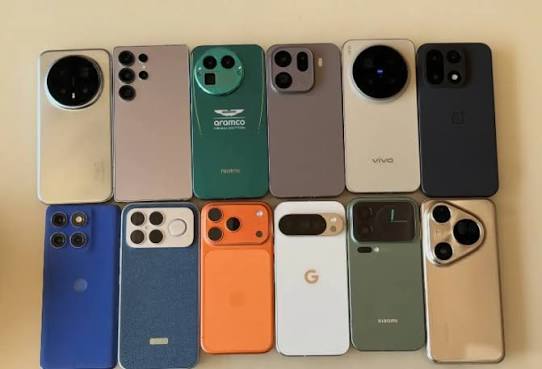
Telecom Regulator Warns Phone Buyers To Verify Devices Before Payment, Says Existing Users Will Not Be Disconnected As New Checks Target Counterfeit And Unapproved Equipment
The Nigerian Communications Commission (NCC) has announced plans to prevent cloned, counterfeit and unapproved mobile phones from accessing Nigerian telecommunications networks, warning consumers that newly purchased devices that fail verification requirements could be blocked from network access.
The commission disclosed that approximately 231 million existing devices had already been captured in its Device Checker system, assuring subscribers that they would not need to undertake additional registration to keep using their currently active devices.
The development is part of efforts to strengthen the regulation of telecommunications equipment, combat the circulation of counterfeit devices and improve network quality across the country.
Speaking during a media briefing in Abuja on Tuesday, the NCC's Director of Technical Standards and Network Integrity, Edoyemi Ogoh, explained that the verification system would help identify non-compliant devices and prevent additional unapproved equipment from entering Nigerian mobile networks.
According to Ogoh, devices already active on telecommunications networks before the system became operational would continue working, even if they did not satisfy some of the requirements currently being enforced.
He stressed that the commission would not retrospectively blacklist such devices, explaining that consumers who purchased them before the introduction of the verification system did not have access to the tools now available to check their status.
“The subscriber does not have to do anything,” Ogoh said, assuring existing users that no additional registration was required.
NCC Tells Nigerians To Check Phones Before Payment
The commission has advised Nigerians to verify the status of mobile phones before purchasing them to avoid losing access to telecommunications services because of non-compliant devices.
Ogoh said consumers could check their devices by dialling *315# or accessing the NCC's online Device Checker platform.
The USSD service reportedly allows subscribers to verify the status of their current phones or enter the International Mobile Equipment Identity (IMEI) number of another device they intend to purchase.
An IMEI is a unique identification number assigned to a mobile device. Buyers can obtain the number from a phone's packaging or retrieve it directly from the device by dialling *#06#.
The NCC advised consumers to carry out the checks before completing transactions and to question sellers whose devices cannot be verified.
For consumers who discover problems after purchasing a device, Ogoh recommended approaching the seller for a replacement.
He added that unresolved complaints, including cases where sellers refuse to replace problematic devices, could be reported through the commission's toll-free 315 helpline.
The helpline can also be used by consumers seeking assistance when a genuine device is wrongly flagged by the verification system.
Tablets, Modems And POS Terminals Also Affected
The NCC clarified that its device verification measures are not restricted to mobile phones.
Other SIM-enabled equipment, including tablets, modems and point-of-sale (POS) terminals, will also be subject to the relevant checks.
The expanded scope means businesses, merchants and individuals using SIM-enabled devices may also need to ensure that their equipment complies with applicable regulatory requirements.
Ogoh explained that devices could be flagged for different reasons, including situations where suppliers failed to complete the necessary regulatory processes.
Consequently, a device being flagged does not necessarily mean that a consumer deliberately purchased counterfeit equipment, making the commission's complaint and verification channels important for resolving disputes.
NCC Partners Customs, Manufacturers And Dealers
The commission said it was working with the Nigeria Customs Service, manufacturers, importers and dealers to strengthen the verification of telecommunications equipment entering the Nigerian market.
According to Ogoh, the regulatory framework combines checks at the point of importation with consumer-level verification to address potential compliance problems involving devices already in dealers' inventories.
The system is also designed to help the commission trace individual devices to their importers, determine when they entered Nigeria and establish the number of units supplied.
Such information could assist enforcement efforts, particularly where consumers report defective or non-compliant devices and sellers refuse to resolve their complaints.
The initiative follows the NCC's Type Approval Business Rules issued in August 2024 and subsequent consultations with stakeholders across the telecommunications device supply chain.
The commission also cited Section 132(2) of the Nigerian Communications Act 2003, which requires relevant service providers, equipment manufacturers and suppliers to obtain type approval before communications equipment is sold or used in Nigeria.
Type approval involves assessing whether equipment meets applicable technical and regulatory standards. Ogoh said device models undergo testing before approval, while the new verification system is intended to strengthen checks on individual units supplied to the market.
NCC Links Device Compliance To Network Quality
Beyond combating counterfeit devices, the commission said the initiative was intended to address factors contributing to poor telecommunications service quality.
Ogoh explained that the NCC's assessments had identified device-related problems among the issues affecting network performance.
He said faulty devices could affect other subscribers connected to the same cell site, alongside other challenges such as infrastructure damage, insecurity, flooding and related disruptions.
The commission believes that improving device compliance could help address some equipment-related problems and support better network performance.
However, the extent to which the initiative will improve call quality, internet speed and overall subscriber experience will depend on implementation and the contribution of other factors affecting telecommunications infrastructure.
NCC Denies Surveillance Concerns
Addressing concerns about privacy, Ogoh said the Device Checker system relies on device identification information and does not give the commission access to personal information stored on subscribers' phones.
He clarified that the system does not provide access to text messages, photographs, contacts or financial information.
“It is not a surveillance tool and does not provide access to personal information stored on devices,” he said.
The clarification comes as the regulator expands device verification and enforcement measures across the telecommunications sector.
For consumers, the immediate advice is to verify a phone's status before paying for it, retain proof of purchase and contact the seller or the NCC's 315 helpline if a device is wrongly flagged or fails to meet the required standards.
While the commission has assured existing subscribers that their already active devices will not be retrospectively blacklisted under the new system, prospective buyers face a different situation: a phone that cannot satisfy the applicable verification requirements could leave its owner unable to access Nigerian mobile networks.

0 Comment(s)