Calls for Mass Protests Over Pipeline Surveillance Contracts
- by Fejiro, Delta State, HSN
- about 11 hours ago
- 167 views
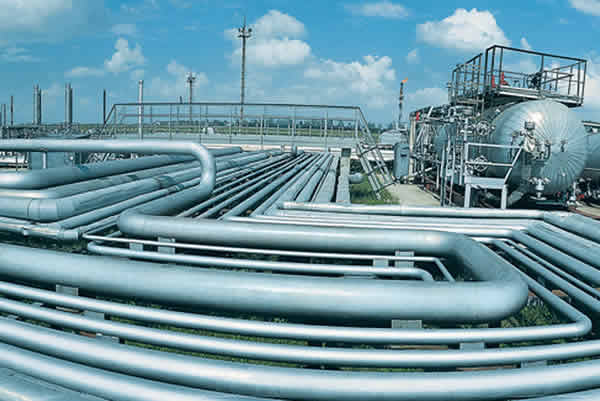
Fejiro Oliver, a prominent Niger Delta commentator, has accused former freedom fighters and regional power brokers of transforming into new oppressors by monopolizing lucrative pipeline surveillance contracts and marginalizing other communities across the Niger Delta.
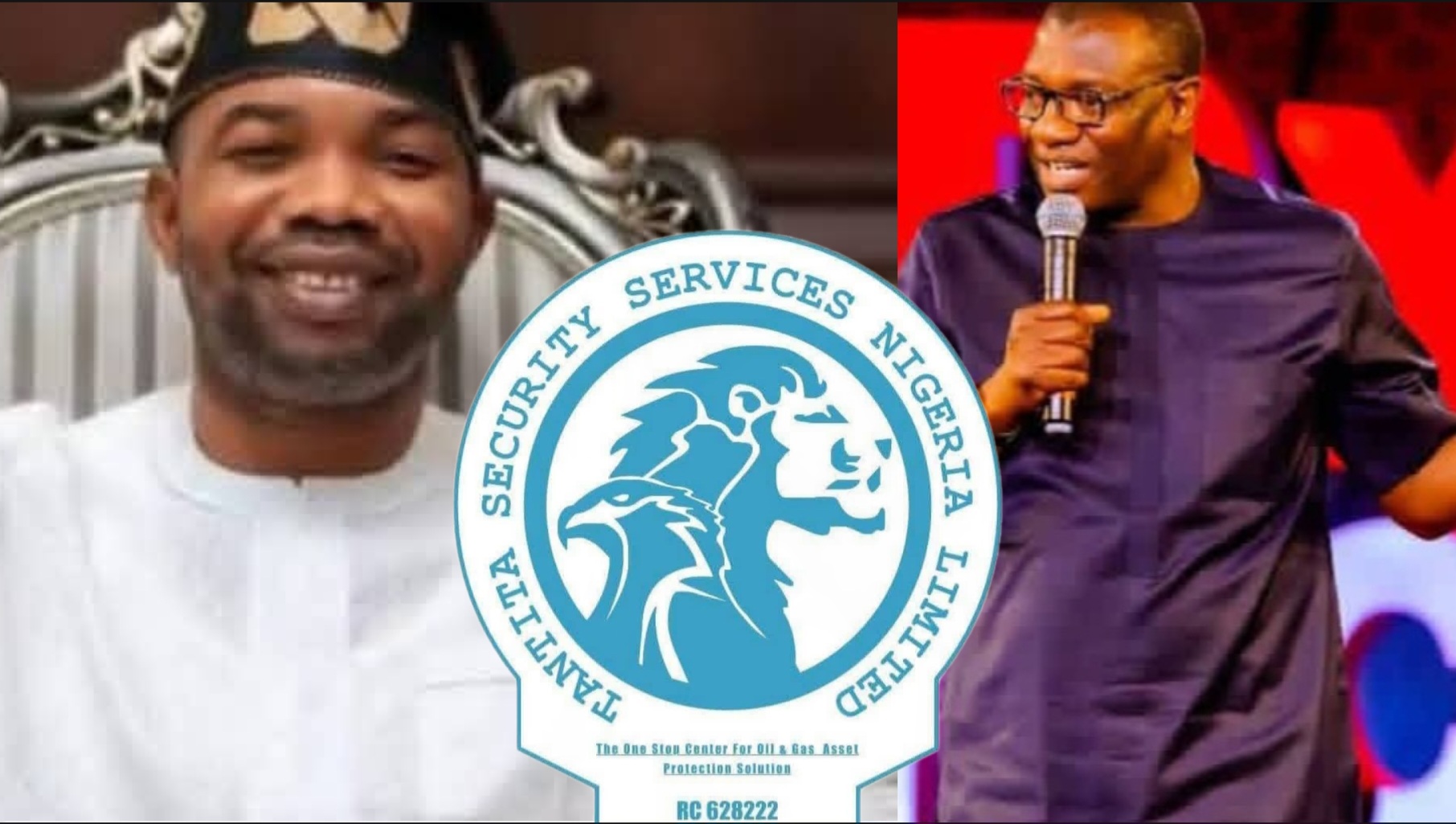
In a lengthy statement circulated Tuesday, Oliver said those who once rallied against the uneven distribution of Nigeria’s oil wealth are now at the center of a “capture” of regional resources. He accused operators allegedly linked to Tantita and Maton Engineering of securing the lion’s share of pipeline surveillance work — contracts Oliver says should be distributed among competent local companies across Edo, Ondo, Akwa Ibom, Delta, Rivers, Bayelsa, Imo, Cross River and Abia states.
“These are the very people who cried marginalisation,” Oliver wrote, “and now they tell us we cannot guard our own pipelines.” He framed the dispute as a betrayal of the inclusive struggle that birthed groups such as MEND, the Niger Delta Volunteer Force and the Niger Delta Avengers, which he said historically drew recruits and leadership from across the region’s ethnic communities.
Serious allegations and threats
Oliver further accused influential figures of buying traditional titles, bribing local chiefs with appearance fees, and using patronage to silence dissenting Urhobo, Ijaw, Itsekiri and other community leaders. He warned that if Tantita and Maton are allowed to retain exclusive control of surveillance contracts, the result will be broad social unrest: “There’s a danger ahead for all Niger Deltans,” he wrote.
The statement also contained grave allegations about planned violence. Oliver claimed that individuals who previously warned President Muhammadu Buhari about threats to militant leader Tompolo later plotted the arrest and alleged extrajudicial transfer of Oliver’s own critics — naming Fejiro Oliver as a potential target if anything happens to him in Abuja. He wrote, “If anything happens to me in Abuja, you all know who to hold responsible.” He said he would publicly name those responsible should harm come to him.
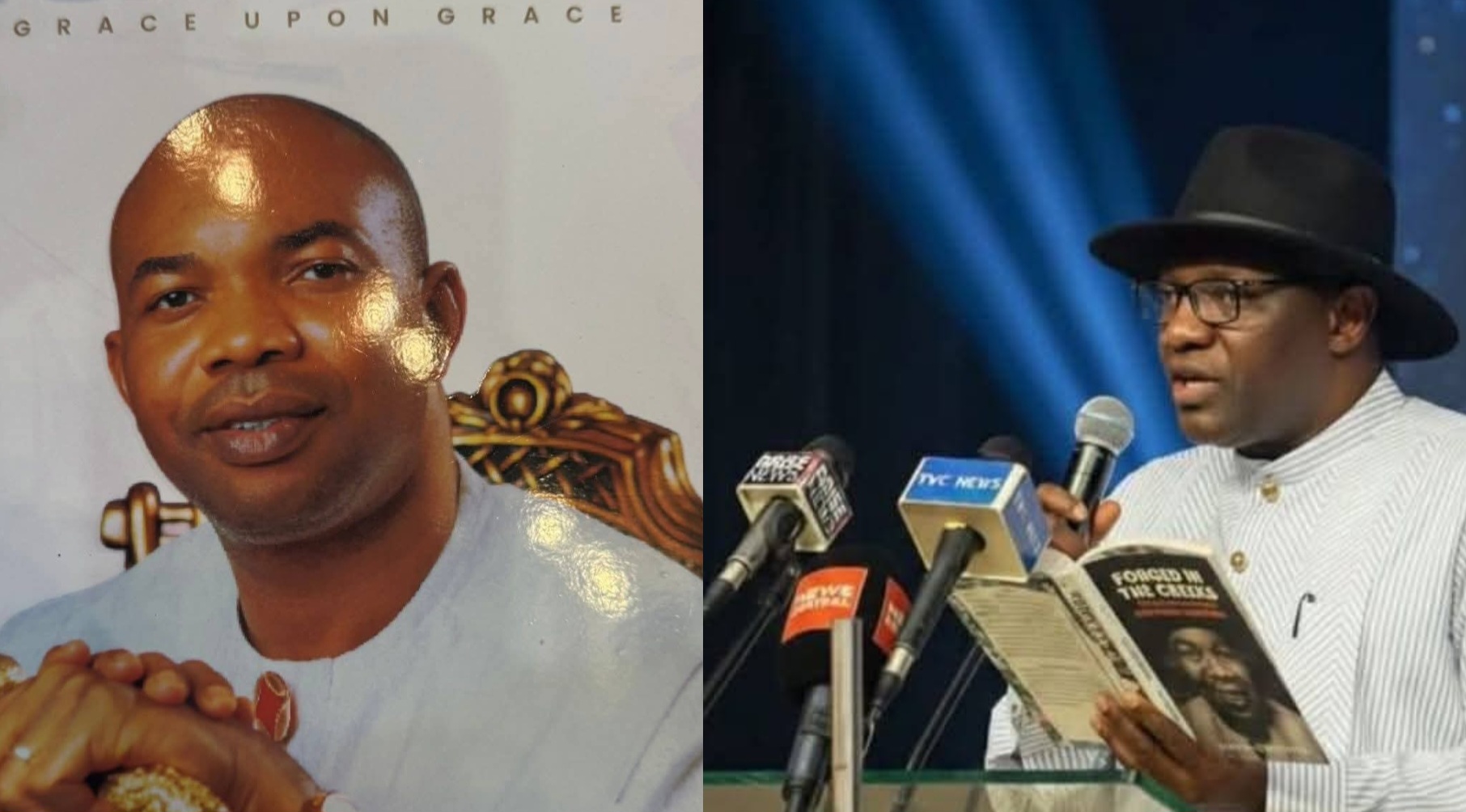
Oliver accused specific figures — naming Matthew Tola and Tompolo — of seeking renewal of pipeline surveillance arrangements with the Nigerian National Petroleum Company Limited (NNPCL) and urged them to “hands off other tribe pipeline surveillance.” He said pipeline revenues that are concentrated in a few hands produce narrow local development while broader community prosperity is lost.
Calls to action and accountability
The commentator called for renewed agitation and warned of “massive protests” if perceived inequities persist. “Agitation brought about this marginalisation and agitation will stop it,” he wrote, urging Niger Deltans to take a stand for equitable distribution of oil wealth and local participation in contracts affecting their land.
Oliver also raised the prison status of MEND founder Henry Okah and his brother Charles Okah, criticizing what he described as a lack of sustained diplomatic or civil advocacy for their release despite their role in the region’s past struggles.
Responses sought
Requests for comment to the companies, individuals and officials named in Oliver’s statement were not immediately available. The NNPCL, Tantita, Maton Engineering, and the persons identified by Oliver would need to be contacted to verify the claims and provide their perspectives.
Context and implications
The dispute highlights long-running tensions in the Niger Delta between centralized contract allocation and local demands for inclusion under Nigeria’s local content framework. Activists argue that when local communities are excluded from protection and service contracts tied to their environment, grievances deepen — sometimes reigniting the same cycles of agitation and insecurity that once defined the region.
Oliver’s public warning and the threat of protests underscore the fragility of social peace in oil-producing communities, where transparency, accountability and broad-based economic participation remain central demands.
Fejiro Oliver closed his appeal with a direct challenge to fellow Niger Deltans: “Guard your pipeline; make I guard my pipeline. What is your own stand?”




0 Comment(s)