𝐘𝐨𝐮𝐭𝐡 𝐂𝐨𝐚𝐥𝐢𝐭𝐢𝐨𝐧 𝐂𝐚𝐥𝐥𝐬 𝐟𝐨𝐫 𝐃𝐞𝐜𝐞𝐧𝐭𝐫𝐚𝐥𝐢𝐳𝐚𝐭𝐢𝐨𝐧 𝐨𝐟 𝐏𝐢𝐩𝐞𝐥𝐢𝐧𝐞 𝐒𝐞𝐜𝐮𝐫𝐢𝐭𝐲 𝐢𝐧 𝐑𝐢𝐯𝐞𝐫𝐬 𝐒𝐭𝐚𝐭𝐞 𝐭𝐨 𝐏𝐫𝐨𝐦𝐨𝐭𝐞 𝐋𝐨𝐜𝐚𝐥 𝐄𝐦𝐩𝐨𝐰𝐞𝐫𝐦𝐞𝐧𝐭 𝐚𝐧𝐝 𝐈𝐦𝐩𝐫𝐨𝐯𝐞 𝐒𝐞𝐜𝐮𝐫𝐢𝐭𝐲
- by Kalaboy, River State, HSN
- yesterday
- 250 views

In a passionate statement of solidarity, the Coalition of Concerned Youth Bodies in Rivers State has expressed its gratitude to President Bola Ahmed Tinubu, Commander-in-Chief of the Armed Forces of Nigeria, for his continuous commitment to the development of the Niger Delta. The coalition recognized the President’s ongoing efforts aimed at improving the livelihoods of oil-producing communities within the region, which have long faced socio-economic challenges exacerbated by the oil extraction industry.
Speaking on behalf of the coalition, Comrade Ezekiel Bamson Ofiomina-Ama, the Youth President of Ala-kiri, one of the oil and gas host communities in Rivers State, conveyed a message of appreciation but also called for a decisive shift in the management of pipeline security contracts. In particular, the coalition urged President Tinubu to push for the decentralization of these critical contracts to ensure a fairer, more sustainable approach to community involvement and local empowerment.
The coalition underscored that decentralizing pipeline security contracts could serve as a significant catalyst for youth empowerment across the Niger Delta. With the region’s youth population disproportionately affected by unemployment, offering them meaningful employment opportunities in the security sector could help redirect their energies towards constructive endeavors. By involving local communities directly in securing pipeline infrastructure, the coalition believes that this will not only promote economic growth but also cultivate a sense of ownership and accountability among the people.
A key concern raised by the coalition was the concentration of pipeline security contracts within a single company. The coalition argued that such an approach is neither equitable nor sustainable. The involvement of local communities in securing their own infrastructure, they contend, will foster stronger cooperation between the people and the authorities, which is vital for long-term security solutions. A decentralized approach, according to the coalition, would ensure that resources are more evenly distributed across the region, rather than being funneled into the hands of a few powerful entities.
One of the coalition’s most pressing concerns is the rising tide of social vices within the region, particularly among the youth. High rates of crime, drug abuse, and other forms of anti-social behavior have plagued the Niger Delta for years. By creating employment opportunities in pipeline security, the coalition believes that local youths can be engaged in productive work, thereby reducing their susceptibility to such social ills. The youth, familiar with the local terrain and its challenges, would be in the best position to contribute meaningfully to the protection of critical infrastructure, while simultaneously addressing social issues that have long plagued their communities.
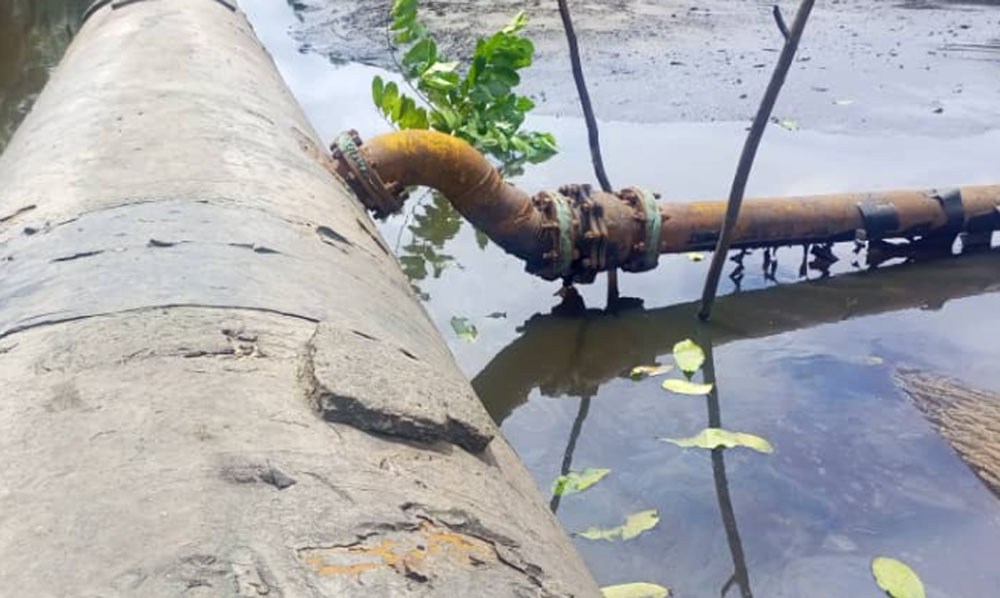
The call for decentralization is also rooted in the belief that grassroots involvement is critical to improving security outcomes. The coalition contends that local communities, with their intimate knowledge of the environment, are best equipped to secure the vast network of pipelines and wellheads that span the Niger Delta. This local involvement would not only enhance the efficiency of security measures but also ensure that security personnel are more attuned to the needs and realities of their communities, fostering a more sustainable approach to maintaining peace and order.
Another vital point raised by the coalition was the need for greater transparency in the management of pipeline security contracts. The group urged the Nigerian National Petroleum Corporation (NNPC) to clarify and unbundle existing surveillance contracts to ensure clear roles and responsibilities. The coalition called for greater accountability, so the public and local communities can better understand how these contracts are being executed and the benefits they should derive from them.
In closing, the Coalition of Concerned Youth Bodies emphasized that the call for decentralization is not only timely but necessary for fostering inclusivity, improving security, and promoting regional cooperation. The coalition stressed that a decentralized approach to pipeline security would create opportunities for meaningful participation at the local level, empowering youths and strengthening the overall security framework in the Niger Delta.
The coalition concluded by reaffirming its commitment to peace, development, and progress, both within the Niger Delta and across Nigeria. United in its advocacy for policies that empower youths, the coalition stands firm in its support for initiatives that will protect the country’s critical infrastructure while fostering a more equitable and prosperous future for all Nigerians.
As the Niger Delta continues to play a central role in Nigeria’s economic landscape, it is clear that the region’s future security and prosperity lie in the hands of its youth and the local communities themselves. Decentralizing pipeline security could be the key to unlocking that future, ensuring lasting peace and development in one of Nigeria’s most vital regions.











0 Comment(s)