N115bn Amnesty Budget Under Fire as Unpaid May Stipends Spark Anger Across Niger Delta
- by Elaye, Bayelsa, HSN
- about 4 months ago
- 1376 views
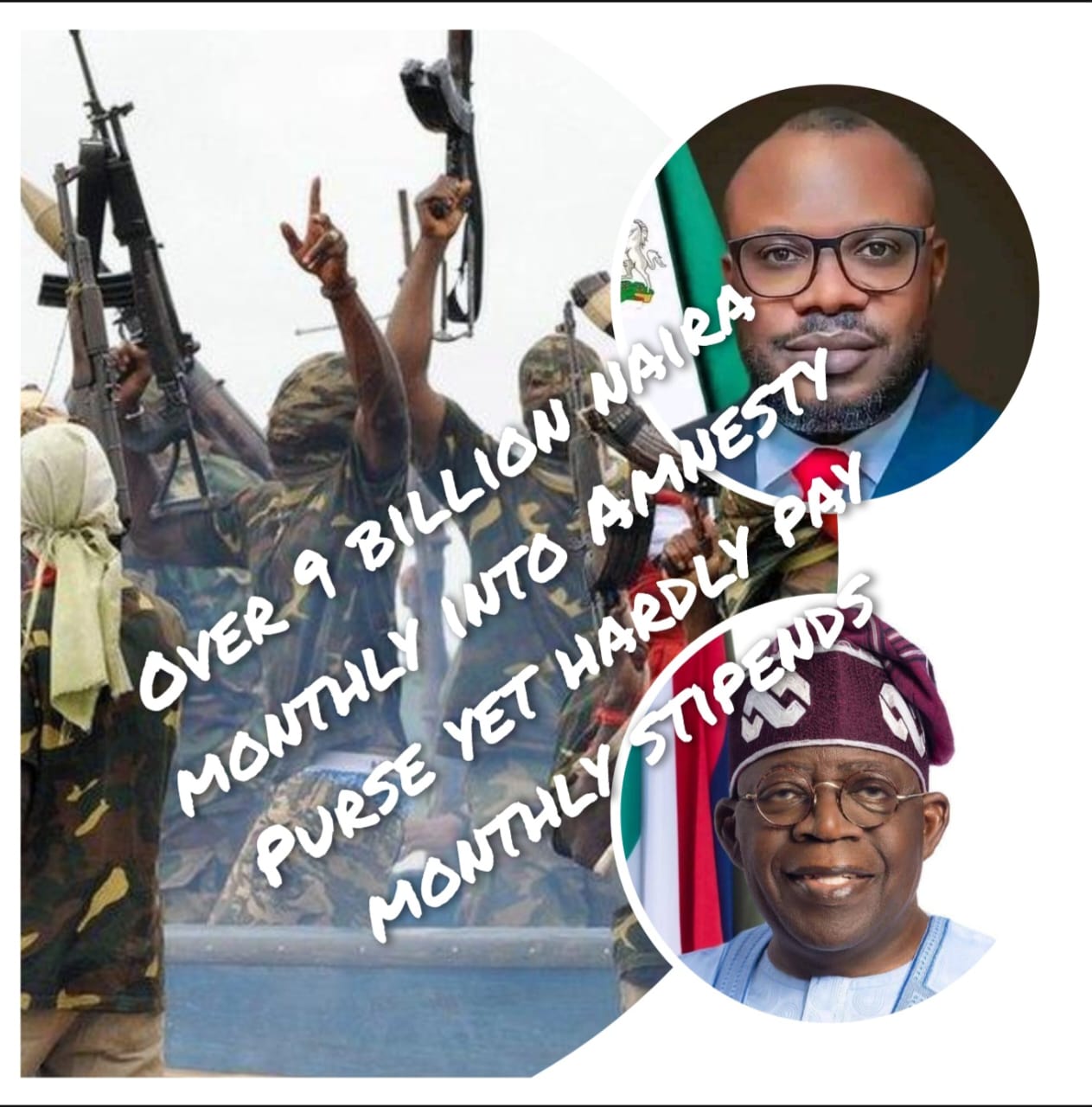
......Fresh Protest Threatens to Test Federal Government’s Niger Delta Peace Framework
Tension is mounting across the Niger Delta as beneficiaries of the Presidential Amnesty Programme (PAP) express growing frustration over delayed stipend payments, despite a substantial increase in the programme’s budget allocation for 2026.
The discontent, which has been building for weeks, is now threatening to spill into the streets as delegates and beneficiaries prepare for a fresh round of peaceful protests over what they describe as worsening welfare conditions and the continued delay in the payment of their May 2026 stipends.
The development presents a fresh challenge for the Federal Government and the leadership of the Presidential Amnesty Programme, a key peace-building initiative established to maintain stability and support reintegration efforts in the oil-rich Niger Delta region.
Beneficiaries Question Impact of N115 Billion Budget Increase
At the heart of the growing unrest is the Federal Government’s decision to increase the Presidential Amnesty Programme’s budget to approximately N115 billion in the 2026 Appropriation Act.
Many beneficiaries say the increase raised expectations that longstanding concerns, including delayed payments, inadequate welfare support, and limited empowerment opportunities, would be addressed.
However, as of June 15, 2026, numerous beneficiaries claim they have yet to receive their May stipends, fueling widespread dissatisfaction and renewed questions about how the expanded allocation is being utilized.
For many delegates, the delay has become symbolic of broader concerns regarding the implementation of the programme and the pace of reforms expected under the current administration.
June 12 Protest Plans Allegedly Frustrated
Sources within the Amnesty Programme disclosed that beneficiaries had initially planned a peaceful demonstration on June 12, Nigeria’s Democracy Day, at Mbiama Junction in Rivers State.
According to delegates familiar with the planned protest, the objective was to draw national attention to several unresolved issues affecting thousands of beneficiaries across the region.
The protesters said the planned demonstration was intended to highlight key concerns affecting beneficiaries of the Presidential Amnesty Programme. Their demands include the immediate payment of outstanding stipends and an upward review of the N65,000 monthly allowance, which they say no longer reflects current economic realities.
They also called for the reinstatement of delisted delegates, expanded training and empowerment programmes, and improved welfare packages. According to the protesters, these measures are necessary to improve the living conditions and economic prospects of beneficiaries across the Niger Delta.
However, some delegates alleged that efforts were made to discourage the planned protest.
They claimed that PAP Administrator Dennis Otuaro engaged influential ex-agitator leaders, including General Elaye Slaboh, General Salvation Ibena, and General Aroni Oputu, to intervene and prevent the demonstration from taking place.
The allegations remain unverified, and the individuals named had not publicly responded at the time of reporting. Independent confirmation of the claims was also unavailable.
New Demonstration Scheduled for June 22
Despite the setback, organizers appear determined to proceed with another protest.
A video circulating among beneficiary groups and obtained by Tarakirivoice reportedly shows an Amnesty delegate announcing plans for a fresh peaceful protest scheduled for June 22, 2026, again at Mbiama Junction.
In the video, the unidentified speaker claimed extensive preparations had already been completed ahead of the demonstration.
According to the speaker, organizers had arranged transportation, accommodation, feeding, and security logistics for approximately 318 participants expected to travel from various Niger Delta and South-South states.
The speaker also disclosed that participants would wear designated uniforms to ensure proper identification and prevent infiltration by individuals seeking to disrupt the gathering.
Organizers insist the planned protest will remain peaceful and focused solely on welfare-related demands.
Among the issues expected to dominate the demonstration are: Immediate payment of delayed stipends; Review and increase of the N65,000 monthly allowance; Reinstatement of delisted delegates; Expansion of training and empowerment programmes; Improved welfare and support services for beneficiaries.
Participants have reportedly been advised to remain law-abiding and cooperate fully with security agencies throughout the exercise.
Rising Cost of Living Deepens Discontent
Beyond the delayed May payment, many beneficiaries argue that the current stipend structure no longer reflects economic realities.
The monthly allowance of N65,000 has remained unchanged for nearly 17 years, even as inflation, fuel costs, food prices, transportation expenses, and general living costs have risen sharply.
Within beneficiary communities and across social media platforms, calls for a comprehensive review of the stipend have intensified.
Many argue that the significant increase in the programme’s budget should translate into tangible improvements in welfare and support services.
One beneficiary expressed the growing frustration shared by many participants:
“The Federal Government increased the Amnesty budget from about N65 billion to N115 billion, yet beneficiaries are still receiving N65,000 monthly. What we need is prompt payment and a realistic review of the stipend.”
Others questioned why efforts were allegedly being directed toward discouraging peaceful demonstrations rather than addressing the concerns that prompted the protests in the first place.
Questions Mount Over Utilisation of Expanded Funding
The controversy has also renewed scrutiny of the Presidential Amnesty Programme’s financial management and implementation strategy.
Stakeholders had anticipated that the expanded budget allocation would result in faster and more reliable stipend payments, improved scholarship administration, expanded vocational and skills acquisition programmes, and enhanced reintegration initiatives for beneficiaries across the Niger Delta.
Greater support for beneficiary welfare.
However, ongoing complaints regarding payment delays, scholarship-related issues, and welfare challenges have led many beneficiaries to question whether the increased funding is producing meaningful improvements on the ground.
The concerns have triggered wider discussions within the Niger Delta about accountability, transparency, and the long-term sustainability of the programme.
Calls for Dialogue to Prevent Escalation
Amid the growing tensions, community leaders and observers are urging restraint and constructive engagement between PAP management and beneficiaries.
They warn that unresolved grievances could undermine confidence in one of the Federal Government’s most important peace and reintegration initiatives in the region.
Analysts note that the Presidential Amnesty Programme has played a critical role in reducing militancy and promoting stability in the Niger Delta over the years, making it essential for stakeholders to address emerging concerns before they escalate further.
Many believe that prompt payment of outstanding stipends, improved communication, greater transparency, and meaningful welfare reforms could help ease tensions and preserve the gains already achieved through the programme.
A Region Awaits Answers
As anticipation builds ahead of the proposed June 22 protest, thousands of beneficiaries remain focused on a single issue: the delayed payment of their May 2026 stipends.
With anger growing across beneficiary communities and pressure mounting on programme administrators, attention is now turning to whether the Federal Government and PAP leadership will respond decisively to demands for prompt payments, improved welfare packages, and greater accountability.
For many beneficiaries across the Niger Delta, the central question remains unanswered:
How can a programme operating with a ₦115 billion budget still struggle to deliver timely stipend payments to those it was created to support?







0 Comment(s)