“You Can Lock Up The Man, But Not His Spirit!” — Daniel Ezekiel’s Detention Controversy Reopens The ₦50m Tompolo Allegation And Puts Niger Delta Power Brokers Under Fire!
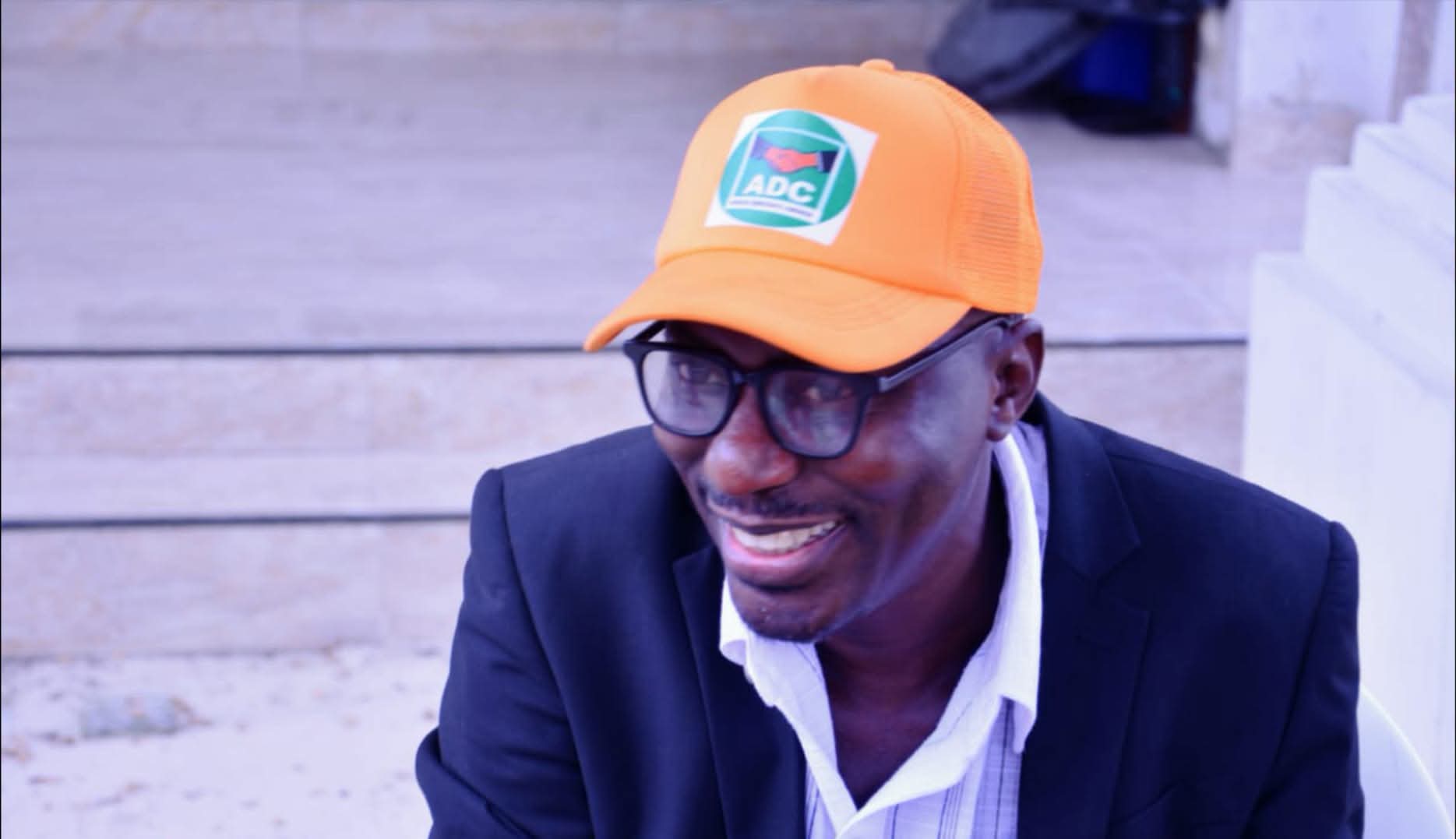
......A Niger Delta activist who once claimed he rejected ₦50 million to implicate Government Ekpemupolo, popularly known as Tompolo, is now facing another detention controversy, raising troubling questions about loyalty, freedom of expression, alleged abuses of power and the fate of dissenting voices in the oil-rich region.
The unfolding detention controversy surrounding Comrade Daniel Ezekiel Perela has reopened an uncomfortable debate about power, loyalty, human rights and the treatment of activists in the Niger Delta, particularly the question of whether those who once defended influential figures can expect protection when their own freedom comes under threat.
At the centre of the controversy is Government Ekpemupolo, popularly known as Tompolo, the former militant leader whose influence in Niger Delta affairs has remained a subject of public discussion, and Daniel Ezekiel, an activist whose previous account of spending 15 months in detention revealed what he described as a harrowing experience involving interrogation, physical abuse and an alleged attempt to induce him to implicate Tompolo.
Years after that ordeal, Perela is once again at the centre of a detention controversy following his arrest in Abuja on September 18, 2026, and subsequent remand at Kuje Correctional Centre over allegations connected to cyberstalking and social-media publications.
The circumstances surrounding the two episodes are different, and there is no independently established evidence in the material available to Tarakirivoice proving that Tompolo personally ordered, orchestrated or procured Perela's latest arrest.
Nevertheless, the apparent contrast between the activist's earlier defence of Tompolo and the allegations now being raised about the treatment of critics in Oporoza has created a question that deserves public attention: What happens when an activist who once defended a powerful figure becomes a critic raising allegations about abuses involving that figure's sphere of influence?
That question is not a declaration of guilt against anyone. It is a legitimate demand for transparency, accountability and the protection of fundamental rights.
THE ₦50 MILLION STORY: DANIEL'S EARLIER ACCOUNT OF REFUSING TO IMPLICATE TOMPOLO
In an interview published by Saturday Vanguard following his release from detention in November 2017, Daniel Ezekiel recounted his arrest by operatives of the Department of State Services (DSS) on August 3, 2016.
At the time, Daniel was the spokesperson of the Ijaw Peoples Development Initiative, an organisation concerned with the rights and development of the Ijaw people.
He said he was arrested in Warri after security operatives allegedly accused him of having links with the Niger Delta Avengers, a militant group that had carried out attacks on oil infrastructure during that period.
Daniel denied being the group's spokesperson and said he was subsequently transferred to Abuja, where he was held in detention.
According to his account, he was questioned about his alleged connections to the Niger Delta Avengers and his relationship with Tompolo.
He maintained that he was not connected to the militant group and knew Tompolo only as a former Niger Delta agitator.
But one of the most striking claims in his account concerned an alleged offer of ₦50 million.
Daniel claimed that he was offered the money to implicate Tompolo in connection with the allegations surrounding the Niger Delta Avengers.
He said he rejected the offer because he would not falsely accuse someone for personal gain.
"I could not betray Tompolo," Daniel was quoted as saying in the account of his ordeal.
The allegation that such an offer was made remains Daniel's account and has not been independently established in the material available to Tarakirivoice. Nevertheless, his account presented him as a man who said he refused to participate in what he considered an attempt to frame another person.
His detention lasted approximately 15 months, according to the report, before he was released unconditionally on November 26, 2017, following interventions and efforts by his family, colleagues and human-rights advocates.
Daniel also alleged that he suffered physical abuse, endured harsh detention conditions and witnessed other detainees die.
Those claims formed part of his account of an experience he described as deeply traumatic.
The irony now being discussed by some observers is that an activist who once publicly defended Tompolo against what he considered false accusations is again embroiled in a detention controversy after raising allegations concerning events in Oporoza.
If Daniel's earlier account is accurate, he refused to trade another man's reputation for money. Today, the public deserves to know whether his own freedom is being threatened because of the allegations he is making—and the evidence must determine the answer.
FROM DEFENDING TOMPOLO TO RAISING QUESTIONS ABOUT OPOROZA
The latest controversy centres on allegations raised by Daniel and his supporters concerning the treatment of individuals in Oporoza, a community in Gbaramatu Kingdom, Warri South West Local Government Area of Delta State.
The allegations include claims of unlawful detention, abduction, torture and the existence of a facility where individuals were allegedly held against their will.
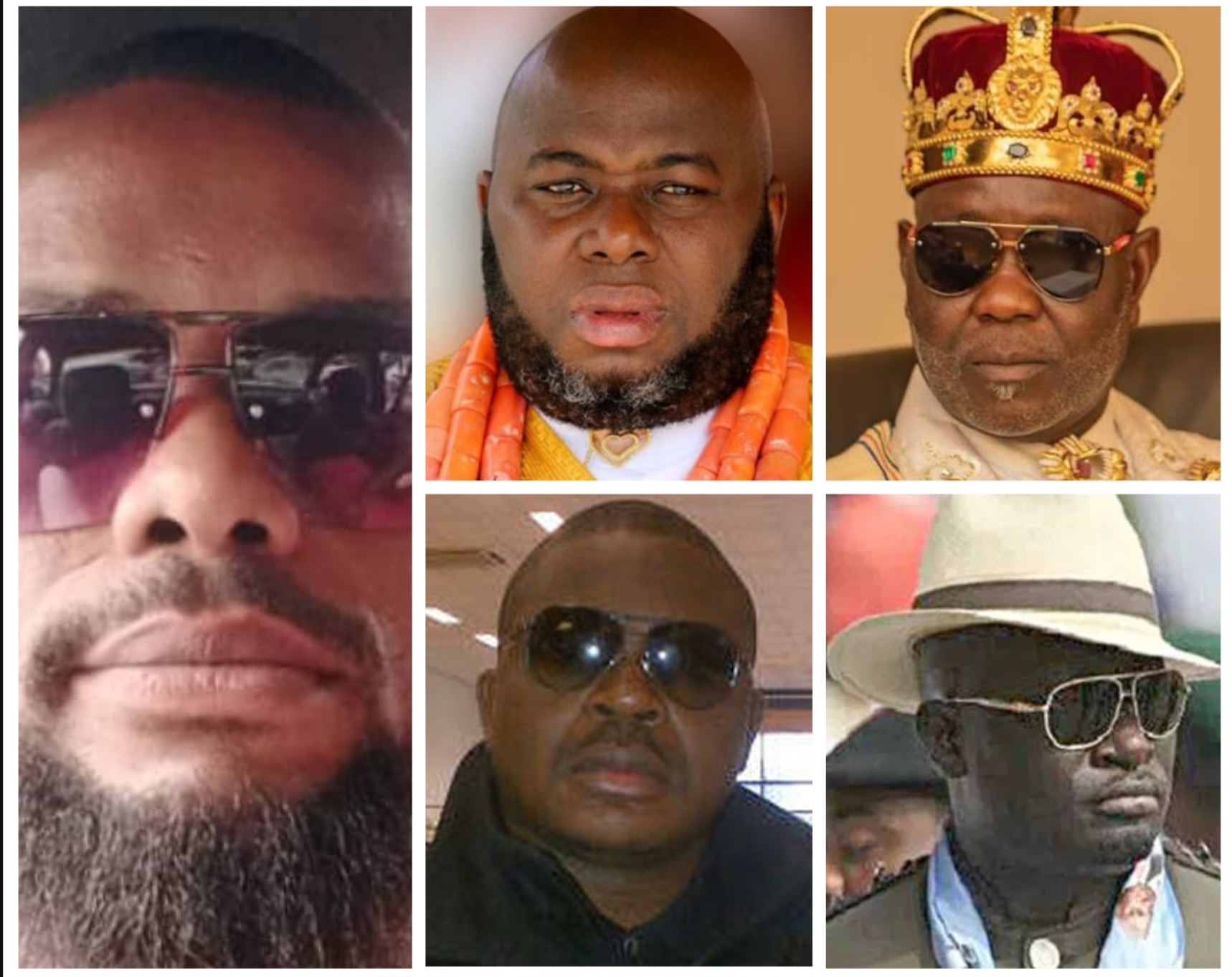
Several individuals have been mentioned in connection with the allegations, including Tompolo and other prominent figures.
However, the allegations have not been established as criminal findings by a court, and those named must have the opportunity to respond.
The central issue is whether the allegations can be independently investigated and whether anyone who has credible information about possible human-rights violations can report it without facing unlawful retaliation.
Tompolo's name has featured prominently in the controversy because of his public influence in the Niger Delta and the allegations raised by Daniel and his supporters.
But public influence does not establish criminal responsibility, and criticism of a powerful individual does not automatically prove that the individual has committed an offence.
Equally, the influence or status of any individual should not prevent credible allegations from receiving independent scrutiny.
The appropriate response is to establish the facts, identify any wrongdoing and hold responsible persons accountable through lawful procedures.
AMNESTY INTERNATIONAL'S INTERVENTION PUTS THE CASE UNDER FRESH SCRUTINY
The controversy has intensified following Amnesty International's reported condemnation of the prosecution of Daniel Ezekiel Perela.
According to the statement described in reports concerning his case, the human-rights organisation criticised the use of cybercrime legislation against the activist and called for the charges against him to be dropped.
Amnesty reportedly argued that using social-media publications to draw attention to alleged unlawful detention and other human-rights violations should not, in itself, become grounds for suppressing peaceful expression.
The organisation also criticised what it described as the weaponisation of the judicial system against critics.
Its intervention raises a broader question about the relationship between cybercrime prosecutions and freedom of expression in Nigeria.
The issue is not whether people should be free to publish false accusations without consequences. They should not.
Rather, it is whether criminal proceedings are being used proportionately and fairly, particularly when the publications concern alleged abuses involving influential individuals.
Where someone believes that a publication is defamatory, the law provides avenues for seeking redress.
Where allegations involve possible criminal conduct, authorities should investigate them impartially.
And where an activist is accused of an offence, the accused person remains entitled to a fair hearing, access to legal representation and all other protections guaranteed by law.
Amnesty's reported intervention does not establish that every allegation made by Perela is true. It does, however, bring renewed attention to the need to examine the circumstances of his detention and prosecution.
THE QUESTION HANGING OVER TOMPOLO'S CAMP
The most politically sensitive aspect of the unfolding controversy is the allegation by Daniel's supporters that his latest detention is connected to his criticism of alleged abuses in Oporoza.
Some of those supporting the activist have portrayed the case as an attempt to silence an outspoken Niger Delta voice.
However, Tarakirivoice has not independently established that Tompolo personally directed or orchestrated the arrest.
That distinction is essential.
Nevertheless, the controversy raises questions that Tompolo and other individuals whose names have featured in the allegations should be given a fair opportunity to address.
If the allegations concerning Oporoza are unfounded, a transparent investigation and credible evidence would help establish that.
If credible evidence supports claims of unlawful detention or abuse, the appropriate authorities should investigate and hold any responsible persons accountable, regardless of their influence.
What would be unacceptable is a situation in which the truth becomes secondary to political loyalty, personal relationships or the fear of offending powerful individuals.
The Niger Delta has a long history of agitation over environmental degradation, resource control, economic exclusion and the treatment of its people.
Its struggle cannot be reduced to the interests of a handful of influential individuals, nor should activists be expected to surrender their right to question those in positions of influence.
No individual should be above scrutiny simply because of past contributions to the Niger Delta struggle. Equally, no individual should be condemned as guilty merely because allegations have been made against them.
That is the standard that should apply to Tompolo, Daniel and everyone else involved in this controversy.
A PAINFUL CONTRADICTION IN THE NIGER DELTA STRUGGLE
Daniel's earlier account of his detention contained a striking contradiction.
He described himself as an activist who spoke against the oppression of Niger Delta people, yet he said he was subjected to detention and mistreatment by security operatives while pursuing that cause.
He also said that, despite his own suffering, he rejected an alleged offer of money to implicate Tompolo.
His present circumstances have now revived debate about what loyalty means in the Niger Delta struggle.
Does loyalty to a cause require silence when allegations of abuse arise?
Should an activist who once defended a prominent figure be expected to maintain that defence indefinitely, even when new concerns emerge?
And should the struggle for the rights of ordinary Niger Delta people be subordinated to the interests of political allies, former comrades or influential leaders?
These questions extend beyond the personal relationship between Daniel and Tompolo.
They concern the integrity of activism itself.
A human-rights advocate's responsibility is to the truth, justice and the rights of the people—not permanent allegiance to any individual.
If Daniel previously defended Tompolo because he believed accusations against him were false, that defence should not deprive him of the right to raise different concerns today.
Likewise, if Daniel makes allegations against Tompolo or others, those allegations must be supported by credible evidence and subjected to fair scrutiny.
Neither past loyalty nor present disagreement should determine the truth.
'THE SPIRIT THAT DETENTION CANNOT BREAK'
Reacting to the broader controversy, lawyer and human-rights activist Dickson Bekederemo, based in KIsgbodo Town, Delta State, argued that detention does not necessarily destroy the convictions of a determined activist.
In a statement titled "The Spirit That Detention Cannot Break," Bekederemo reflected on Daniel's reported experiences of prolonged confinement and darkness.
He argued that the experience appeared to have strengthened rather than extinguished the activist's resolve.
Bekederemo warned that those who believe detention will necessarily silence determined Niger Delta nonconformists may be mistaken.
He also expressed concern that other Niger Delta voices who refuse to compromise their convictions for stipends could face similar ordeals.
"History teaches us that repression may restrain a person physically, but it does not necessarily silence a conviction," Bekederemo stated.
His comments reflect a broader concern among human-rights advocates that people who challenge powerful interests must be protected from unlawful intimidation and retaliation.
However, his suggestion that other activists could face detention should be understood as a warning about a perceived risk, not proof that further arrests have been planned.
The central principle remains that peaceful criticism and legitimate human-rights advocacy must be protected, while allegations of wrongdoing must be investigated fairly.
FROM THE DSS CELL TO KUJE: QUESTIONS ABOUT THE COST OF ACTIVISM
Daniel's earlier detention and his current legal troubles are separate episodes, involving different circumstances and allegations.
But together, they have placed renewed attention on the personal cost of activism in the Niger Delta.
According to the account published after his 2017 release, Daniel spent approximately 15 months in DSS detention before he was released without charge.
He alleged that he was blindfolded, beaten and subjected to harsh detention conditions.
He also claimed that other detainees died while he was being held.
Those allegations were part of his account and should not be treated as independently verified findings.
In the current case, Perela's reported arrest in Abuja on September 18, 2026, was followed by proceedings that resulted in his remand at Kuje Correctional Centre pending the hearing of his bail application.
According to reports concerning the proceedings, the court directed that he have access to his lawyers and receive adequate medical attention.
His supporters have questioned whether his prosecution is connected to his criticism of alleged abuses.
The prosecution's case, however, must be assessed through the judicial process, and the allegations against him must be proved according to law.
The reported medical incident during his earlier police custody also requires careful treatment. An account attributed to an associate alleged that Perela collapsed and was taken to a police clinic.
The suggestion that he may have been poisoned has not been established by independently verified medical evidence cited in the reports available to Tarakirivoice.
Any claim of poisoning or deliberate mistreatment should be investigated through credible medical evidence and an independent inquiry.
A detainee's health and safety are matters of public concern, but responsible reporting must distinguish between an allegation and a proven fact.
WHAT THE AUTHORITIES MUST ANSWER
The latest controversy raises questions that deserve clear and verifiable answers.
First, what precisely are the charges against Daniel Ezekiel Perela, and what evidence supports them?
The public should be able to understand the legal basis for the prosecution without prejudging the outcome.
Second, have the allegations of unlawful detention, abduction and torture in Oporoza been formally investigated?
If complaints have been submitted, the relevant authorities should explain what steps have been taken and whether independent investigators have examined the claims.
Third, what caused the reported medical emergency during Perela's earlier police custody?
If the incident occurred as described, a transparent account supported by appropriate medical documentation would help address the concerns raised.
Fourth, have the individuals named in the Oporoza allegations responded formally?
Their responses are important to a balanced investigation, and none should be presumed guilty merely because their names have appeared in reports.
Fifth, what safeguards are in place to protect Niger Delta activists who report alleged human-rights violations?
The ability to report suspected wrongdoing without fear of unlawful retaliation is essential to accountability and public confidence.
These are not questions that can be answered through political slogans or competing accusations. They require documentation, independent investigation and lawful procedures.
THE NIGER DELTA MUST NOT BECOME A PLACE WHERE LOYALTY MATTERS MORE THAN JUSTICE
The controversy surrounding Daniel Ezekiel Perela offers an opportunity for the Niger Delta to confront a difficult issue: whether the region's struggle for justice is being measured by the protection of ordinary people or by the interests of powerful personalities.
For decades, Niger Delta communities have demanded accountability from government, oil companies and those entrusted with managing the region's resources.
Those demands lose their meaning if allegations of abuse are ignored whenever influential people are implicated.
But accountability also loses credibility when unverified allegations are presented as established facts or when public anger is used to pronounce people guilty before an investigation.
The same principles must apply to everyone.
Tompolo is entitled to respond to allegations and to be presumed innocent of any unproven criminal wrongdoing.
Daniel is entitled to a fair hearing, access to legal representation and protection against unlawful treatment.
The people allegedly affected by abuses in Oporoza are entitled to have their complaints investigated.
And the public is entitled to know whether the allegations are true, false or only partially supported by the evidence.
If anyone committed an offence, influence should not shield that person from accountability.
If the allegations cannot be substantiated, those accused should not be subjected to public condemnation based solely on suspicion.
THE FINAL QUESTION: WHOSE INTEREST DOES THE STRUGGLE SERVE?
Daniel's reported refusal to accept an alleged ₦50 million offer to implicate Tompolo in 2016 has become a striking part of the story now unfolding around him.
At the time, according to his account, he refused to participate in what he believed would be a betrayal.
Today, his detention has reignited questions about the relationship between activists, powerful Niger Delta figures and the institutions responsible for protecting fundamental rights.
The contrast is difficult to ignore, but it must be examined through evidence rather than assumptions.
Did Daniel's latest arrest result from a lawful prosecution over alleged cybercrime, or were his criticisms a factor in the decision to pursue the case? Have the allegations surrounding Oporoza been investigated independently? And what evidence, if any, connects the individuals named by the activist to the alleged abuses?
Those are the questions that demand answers.
The Niger Delta does not need another contest of personalities. It needs institutions capable of protecting the weak, investigating credible complaints and holding everyone accountable under the law.
If the region's struggle for justice means anything, it must mean that no activist is beyond scrutiny, no powerful figure is beyond accountability, and no individual should be deprived of fundamental rights merely for expressing an unpopular opinion.
For Daniel Ezekiel Perela, the immediate issue is his liberty and his right to a fair hearing.
For the people raising concerns about Oporoza, the issue is whether their allegations will receive a credible and independent investigation.
For Tompolo and the other individuals named, the issue is whether they will respond to the allegations and allow the facts to be tested through lawful processes.
And for the Niger Delta, the larger question is whether its people can pursue justice without being forced to choose between silence and confrontation.
The answers must come from evidence, not intimidation; from independent investigation, not political loyalty; and from the rule of law, not the influence of any individual.
The spirit of activism may survive detention. But justice will remain elusive until every allegation is investigated fairly, every accused person receives due process, and every person whose rights have been violated has a meaningful opportunity to obtain redress.





0 Comment(s)