Wike’s Media Chat: ₦3.84bn Annual Projection Sparks Questions As Nigerians Demand Invoices
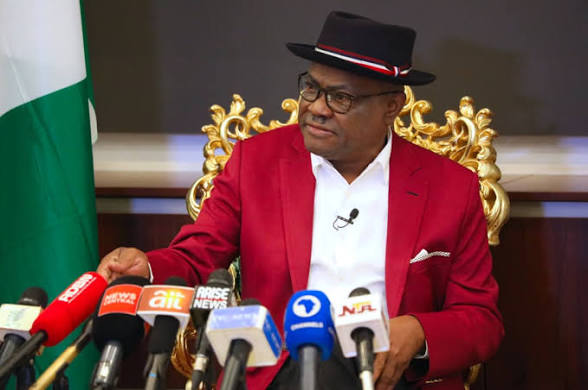
.......Critics Question FCT Spending Priorities, Workers’ Welfare And Media Independence As Eight Broadcast Outlets Air Minister’s Programme
ABUJA — The Federal Capital Territory (FCT) Minister, Nyesom Wike, has come under renewed public scrutiny following questions about the potential cost of his live media engagements, with critics demanding invoices, payment records and budgetary disclosures to establish whether public funds are being used to finance the broadcasts.
The controversy followed the minister’s live media chat on Tuesday, October 13, 2026, which featured at least eight broadcast outlets: Arise News, Channels Television, TVC, News Central, African Independent Television (AIT), JDK, Aso TV and Radio, and ADBN.
A public debate has since emerged over the financial implications of broadcasting the programme across multiple platforms, the purpose of the engagements and whether the expenditure, if publicly funded, delivers sufficient value to FCT residents.
At the centre of the controversy is a projection suggesting that monthly broadcasts could cost between ₦160 million and ₦320 million, potentially translating into annual expenditure of between ₦1.92 billion and ₦3.84 billion.
However, these figures are estimates based on assumed broadcast rates, not verified payments made by the FCT Administration. The actual cost, funding arrangements and contractual terms remain unestablished in the information available.
₦3.84 Billion A Year? Critics Demand Proof Of Spending
The controversy gained momentum following a statement by Paul O. Ibe, who questioned the financial implications of Wike’s media appearances and called for the publication of relevant expenditure records.
According to the figures cited in the debate, if each of the eight participating stations charged between ₦10 million and ₦20 million per hour, a two-hour broadcast could cost between ₦160 million and ₦320 million.
Under the same assumptions, one broadcast monthly over 12 months would produce a projected annual cost ranging from ₦1.92 billion to ₦3.84 billion.
The calculations have generated questions about the affordability and justification of such engagements, particularly if they are financed with public money.
Nevertheless, the estimates do not establish what the FCT Administration actually paid, whether all the stations charged for the programme or whether the broadcast involved sponsorship, negotiated rates or other arrangements.
Critics argue that the uncertainty makes the disclosure of official records essential.
They want the administration to identify who financed the programme, disclose any payments made to participating broadcasters and explain the budgetary provisions under which such expenditure was authorised.
The central demand is straightforward: if public money was involved, residents should be able to establish how much was spent, what services were purchased and what benefits the expenditure delivered.
Governance Or Political Rivalries?
Beyond the financial questions, critics have raised concerns about the substance of Wike’s media engagements and whether they adequately address the administration’s responsibilities to residents of the FCT.
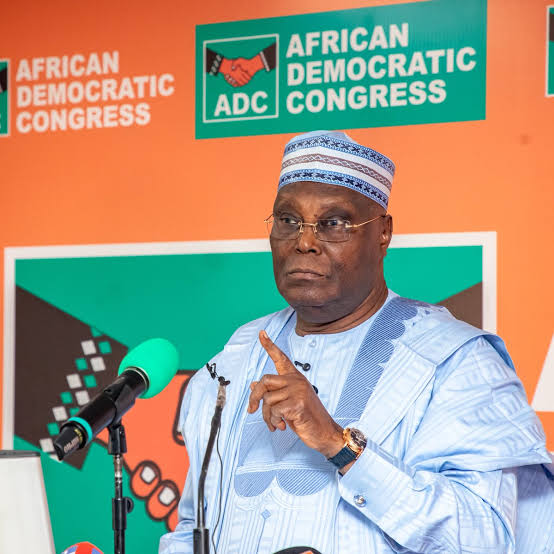
The minister’s public exchanges and political disagreements involving former Vice President Atiku Abubakar, former Rivers State Governor Rotimi Amaechi, Labour Party’s 2023 presidential candidate Peter Obi, the African Democratic Congress (ADC) and the National Democratic Congress (NDC) have featured in the wider debate surrounding his political communication.
Critics contend that the minister’s media appearances should prioritise issues directly affecting Abuja residents, including road infrastructure, water supply, education, healthcare, sanitation, security and urban development.
They argue that while political disagreements are part of democratic life, government-funded communication should demonstrate a clear connection to official responsibilities and public interest.
The question is not whether Wike has the right to defend his policies or respond to his political opponents.
Rather, it is whether any expenditure of public funds on media appearances is properly justified and whether the programmes provide residents with meaningful information about government performance.
The FCT Administration’s response, alongside documentary evidence about the programmes’ funding, would help clarify these concerns.
Rivers State Spending Returns To The Spotlight
The debate has also revived criticism of Wike’s approach to political communication during his tenure as governor of Rivers State.
One commentator questioned the expenditure associated with celebrity appearances at infrastructure commissioning ceremonies, arguing that such events deserve closer scrutiny when public resources are involved.
The criticism raises broader questions about political publicity, government-sponsored events and whether expenditure on promoting public officials is sufficiently distinguished from expenditure designed to inform citizens about government projects.
However, allegations concerning the total cost of celebrity appearances and commissioning ceremonies cannot be treated as established facts without supporting financial records.
Determining the actual expenditure would require access to contracts, invoices, payment vouchers and other relevant documents.
The renewed scrutiny nevertheless highlights a broader accountability issue: government publicity should be assessed not simply by its visibility but also by its cost, purpose and demonstrable public value.
Does Paid Airtime Compromise Media Independence?
The participation of multiple broadcasters has also prompted questions about the relationship between paid airtime and editorial independence.
A commentator questioned whether media organisations can provide robust scrutiny of public officials when those officials or their institutions pay for broadcast time.
The concern centres on whether such programmes facilitate genuine public accountability or primarily provide platforms for government officials to present their positions and respond to political opponents.
However, payment for airtime does not automatically establish that a broadcaster has compromised its editorial independence.
The nature of the contractual arrangement, the extent of editorial control, the questions asked during the programme and the broadcaster’s ability to challenge the minister are all relevant considerations.
A paid broadcast, an independently produced interview and a sponsored media programme may operate under different arrangements. Establishing which arrangement applied to Wike’s media chat would require further information.
The participating broadcasters could help clarify the matter by explaining the nature of their involvement and whether any payments or sponsorship agreements were associated with the programme.
For media organisations, the wider challenge is to ensure that commercial arrangements remain distinguishable from independent journalism and that audiences are not misled about the nature of the content they are watching.
FCT Workers’ Welfare Raises Questions About Spending Priorities
The projected broadcast costs have also triggered questions about the FCT Administration’s spending priorities amid claims concerning workers’ welfare and outstanding obligations.
One commentator argued that substantial sums potentially devoted to media publicity could instead support essential government responsibilities, including payments owed to teachers and other civil servants.
The criticism raises a fundamental public finance question: how should an administration balance spending on communication against obligations relating to salaries, public services and infrastructure?
The claims about workers’ industrial action and the precise status of outstanding payments require independent verification. The estimated broadcast costs also remain unconfirmed.
Consequently, it would be premature to conclude that money spent on the media programme has displaced funds intended for workers or essential services.
Nevertheless, residents have a legitimate interest in understanding how the administration establishes its spending priorities, meets its obligations and evaluates the benefits of government-sponsored publicity.
Where competing public needs exist, transparent financial reporting can help citizens assess whether available resources are being allocated appropriately.
Does Political Access Shield Public Officials From Scrutiny?
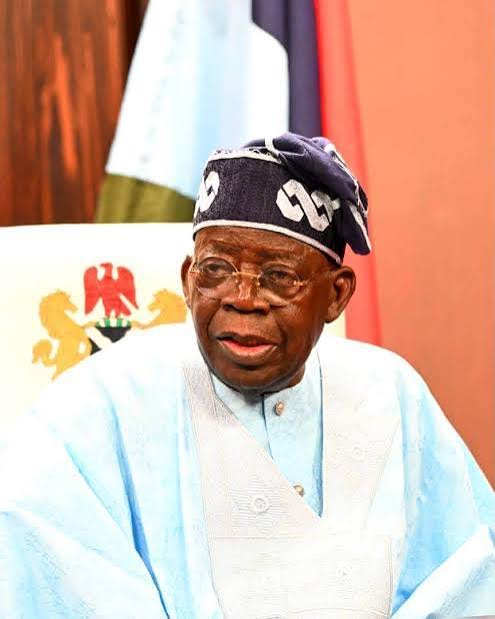
Wike’s political relationship with President Bola Tinubu has also featured in the wider public debate, with one commentator suggesting that the minister’s standing within the Federal Government could reduce the pressure for scrutiny of his activities.
That assertion is a political opinion and does not establish that the President authorised or approved any particular expenditure on media appearances.
The relevant accountability question is whether the FCT Administration’s spending decisions are supported by proper documentation and subjected to the financial controls required by applicable rules.
Public officials remain responsible for explaining expenditure undertaken by their institutions, regardless of their political relationships.
If public funds were used to finance the broadcasts, the administration should be able to explain the purpose of the expenditure, the process through which the services were procured and the records supporting any payments.
Publishing that information would allow the public to evaluate the matter on evidence rather than political speculation.
Seven Questions Wike And The FCT Administration Must Answer
As the debate continues, the FCT Administration faces questions that could help establish the facts surrounding the media engagements.
1. Who paid for the broadcasts?
Were the programmes financed by the FCT Administration, the participating broadcasters, private sponsors or a combination of sources?
2. What was the actual cost?
How much was paid to each station, if any, and what was the total expenditure associated with the October 13 media chat?
3. Were public funds involved?
If government money was used, which budget lines or accounts covered the payments?
4. Were the relevant financial procedures followed?
Can the administration provide contracts, invoices, payment vouchers and other records demonstrating compliance with applicable procurement and financial rules?
5. What public value did the programme deliver?
How much of the discussion focused on FCT policies, infrastructure, service delivery and accountability, and how was the effectiveness of the engagement assessed?
6. How were competing spending priorities considered?
What obligations remain outstanding to workers, contractors and public institutions, and how does the administration determine the appropriate allocation of available resources?
7. Will the administration publish the relevant records?
Can residents access sufficient information to independently assess the cost, purpose and benefits of the broadcasts?
These questions do not establish that public funds were misused. They identify the information needed to determine whether the expenditure was properly authorised, adequately documented and justified by its intended public benefit.
The Real Issue Is Accountability, Not Just Wike
The controversy surrounding Wike’s media chat extends beyond the minister’s political disagreements or the number of television and radio stations involved.
It raises a broader question about how public institutions spend money on communication and how citizens can verify that such spending serves the public interest.
Government officials need opportunities to explain policies, respond to criticism and communicate decisions to residents. Media engagements can serve these purposes when they provide meaningful information and allow legitimate questions to be asked.
However, where public money finances such engagements, transparency becomes particularly important.
The projected ₦1.92 billion to ₦3.84 billion annual figure has attracted attention, but it must not be presented as confirmed government expenditure without supporting evidence.
The decisive information would come from official financial records, relevant contracts, invoices, payment documentation and explanations from the administration and participating broadcasters.
For Abuja residents, the issue ultimately concerns more than the cost of a media programme. It concerns whether public spending is transparent, whether essential obligations are being met and whether government institutions can demonstrate value for money.
Tarakirivoice maintains that the appropriate response to questions about public expenditure is the publication of verifiable records, not speculation or political confrontation.
The FCT Administration should clarify the funding arrangements for the media chat and disclose the relevant documentation where public funds were involved.
Until the actual costs and funding sources are established, the projected figures should remain estimates, and the questions surrounding the programme should remain open to evidence-based scrutiny.
Public accountability is strongest when citizens can examine the records and reach their own conclusions.








0 Comment(s)