Why Nigeria Still Struggles to Reach 2 Million Barrels Per Day
- by Ebikeme, Bayelsa, HSN
- about 3 hours ago
- 167 views
...As Analysts Warn That Insiders Benefiting From Crude Oil Theft Could Turn Political Enemies if Urgent Action isn’t Taken Now.
The recent Arise TV exchange, where journalist Rufai Oseni asked Dr. Alaye Theophilus, President of the Ijaw Youth Council (IYC) Worldwide, to provide evidence on how Nigeria could increase crude oil production to 2.8–3 million barrels per day, has raised serious questions about the role of the mainstream media in the country.
Observers say the issue was not the question itself, but the attitude behind it. It showed how some media outlets now avoid confronting the real problems in Nigeria’s oil sector unless it serves certain interests. This concern grew because Arise TV had earlier aired a paid advertisement from Tantita Security Services without proper verification. In that broadcast, a supporter—the Speaker of the Delta State House of Assembly—claimed Nigeria was producing 2 million barrels per day due to Tantita’s operations. Analysts say this was clearly false and designed to mislead millions of Nigerians.
Critics argue this trend shows that money and influence are shaping public narratives, with some media platforms helping powerful interests hide the truth about oil theft. Despite these pressures, Dr. Alaye Theophilus reportedly answered the questions clearly, explaining that Nigeria could only increase production if the government addressed deeper problems, including organised oil theft, monopoly pipeline contracts, and the operations of heavyweight oil theft cartels.
Analysts warn that if the current system continues, Nigeria may never reach or surpass 2 million barrels per day. Evidence shows that crude oil is still being stolen on a large scale, often through structures set up during the tenure of former NNPCL Group Managing Director Mele Kyari. Some of these networks are reportedly still active today.
One key example is the Nigerian supertanker Skipper, intercepted by the US Coast Guard and Navy in December 2025. Reports linked the vessel to crude oil theft, piracy, and drug trafficking, with alleged ties to international money-laundering networks. This story was widely reported on December 12, 2025, in national newspapers.
The tanker was a 20-year-old Very Large Crude Carrier (VLCC) with a capacity of about 160,068 gross tonnage. It was linked to Thomarose Global Ventures Ltd in Nigeria, while the registered owner was Triton Navigation Corp in the Marshall Islands. Authorities discovered the vessel was illegally flying the Guyanese flag at the time of interception. CAC records showed that Thomarose Global Ventures appeared inactive, with no working phone numbers, raising questions about its operations.
Businessman Thomas Mackintosh denied managing the vessel, explaining he had only provided his company documents to Government Ekpemupolo (Tompolo) over four years ago for a potential business deal. He was shocked to later find his company allegedly involved in a multi-million-dollar illegal oil operation without his knowledge or consent.
Another case involved the tanker MT Heroic Idun, which entered Nigerian waters about three years ago, approaching the Akpo oil field near Bonny. The vessel, capable of carrying 1.9 million barrels of crude oil, had sailed from Singapore toward Equatorial Guinea. When it reached Nigerian waters, it suddenly stopped mooring and attempted to retreat. The Nigerian Navy, suspecting illegal activity, tried to arrest the vessel, but the captain fled toward São Tomé and Príncipe and falsely reported a pirate attack, creating confusion. Investigations by Equatorial Guinea are ongoing, and Nigerian officials expect prosecution.
Analysts say these cases clearly show how large-scale crude oil theft occurs at Nigeria’s export terminals, often involving international criminal networks. Critics have also raised concerns about Tantita pipeline surveillance contractors displaying seized vessels publicly and then burning them, allegedly destroying evidence that could have helped prosecute those involved. There are even claims that vessel owners are lured into illegal operations as part of staged arrests for media publicity.
One controversial report involves Tantita coordinator Charles Korubo, who was allegedly kidnapped by Tompolo after refusing to participate in such operations, saying he could not be part of activities that would harm innocent vessel owners. Another incident showed Tantita sending a service boat to monitor vessel loading at an export terminal, even though pipeline surveillance contracts do not cover terminals. Observers say this raises questions about possible illegal operations and connections to heavyweight oil theft networks.
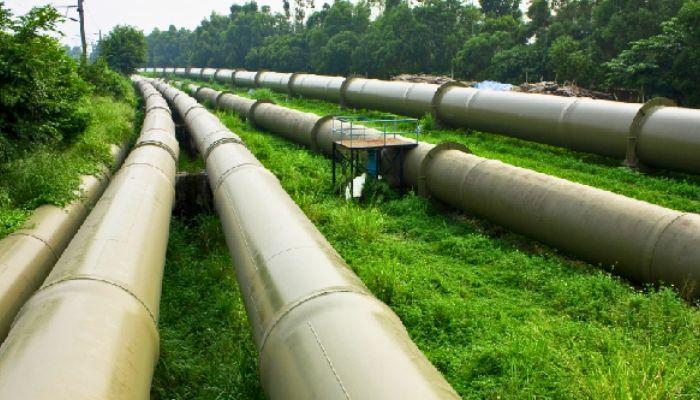
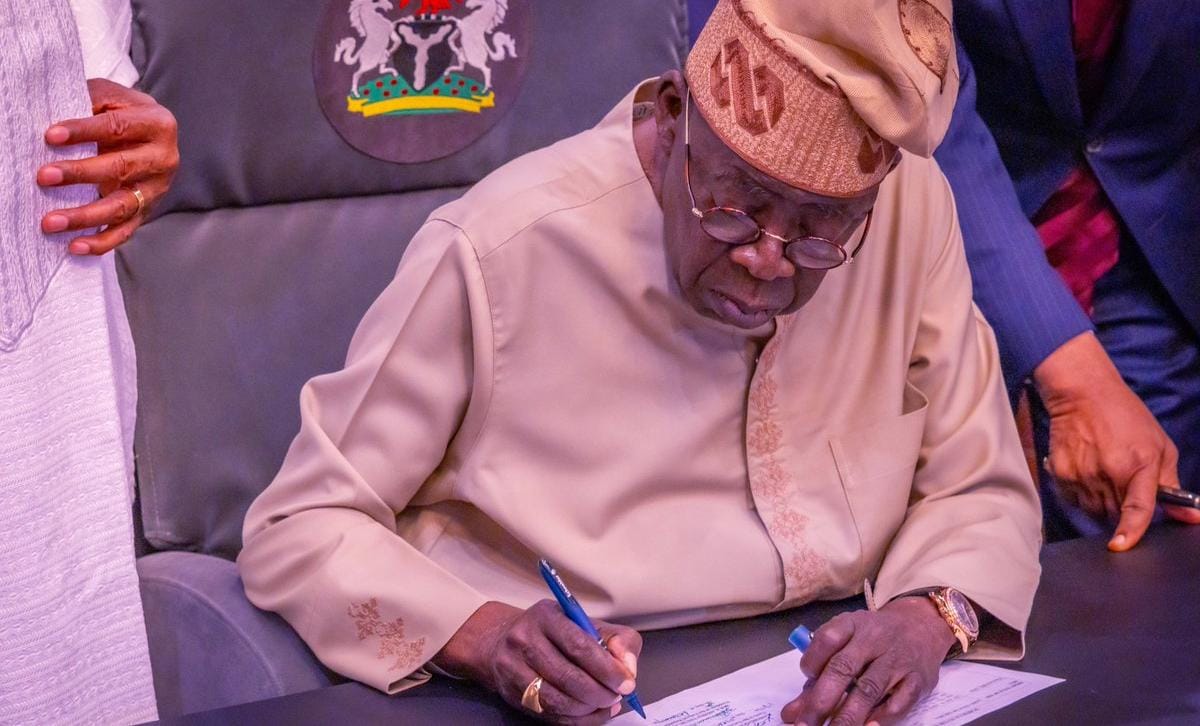
Many stakeholders in the Niger Delta note that artisanal oil bunkering has decreased by 99 percent, yet Nigeria still struggles to reach 2 million barrels per day. They argue that the real problem is now large-scale organised oil theft carried out by powerful networks, some linked to monopoly pipeline contractors. Despite government spending reportedly over ₦2 trillion annually on pipeline protection, production remains low. Analysts warn President Bola Ahmed Tinubu that some officials may be working against the nation’s interests and could become political opponents by 2027 if unchecked.
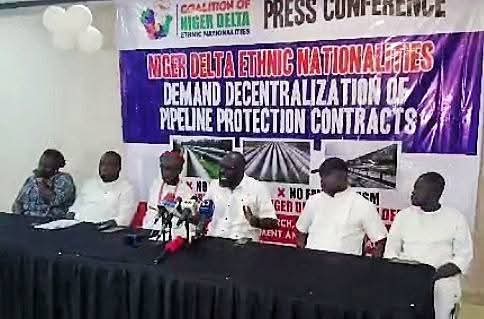
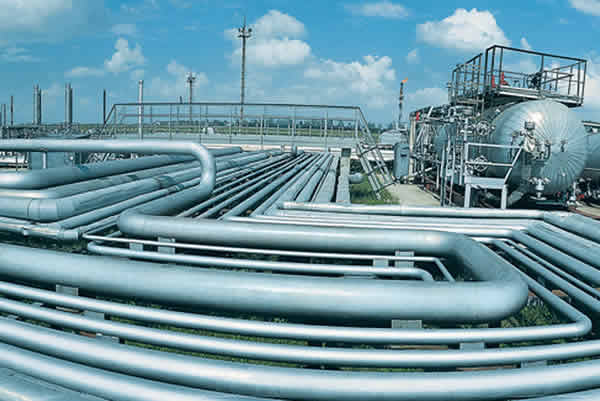
Experts recommend that the Federal Government decentralise pipeline protection contracts, allowing credible stakeholders in each Niger Delta state to manage pipelines within their territories. This would reduce security risks, improve local surveillance, cut crude oil theft, and promote a sense of ownership among host communities. Decentralisation would also create jobs, reduce youth restiveness, promote peace, and increase transparency and accountability in pipeline protection, helping Nigeria to finally improve crude oil production.





0 Comment(s)